Cribl.Cloud has grown substantially since its launch, and our observability practice has developed in parallel. Gone are the early days of manageable logs and metrics. As we continue to grow, that problem will become even more challenging. We used Splunk internally, a well-used internal system, as our primary event management system. With Cribl Edge nodes deployed across our entire cloud fleet, we collect logs and metrics and send them to Cribl Stream for processing and routing.
Financial services and financial technology (FinTech) companies often depend upon complex infrastructure to handle their financial data. Security and compliance are paramount for these organizations, for gaining full visibility into the health and performance of these services to guarantee security is essential.
Kubernetes, with its robust, flexible, and extensible architecture, has rapidly become the standard for managing containerized applications at scale. However, Kubernetes presents its own unique set of access control and security challenges. Given its distributed and dynamic nature, Kubernetes necessitates a different model than traditional monolithic apps.
As technology takes the driver’s seat in our lives, Kubernetes is taking center stage in IT operations. Google first introduced Kubernetes in 2014 to handle high-demand workloads. Today, it has become the go-to choice for cloud-native environments. Kubernetes’ primary purpose is to simplify the management of distributed systems and offer a smooth interface for handling containerized applications no matter where they’re deployed.
In the dynamic world of containerized applications, effective monitoring and optimization are crucial to ensure the efficient operation of Kubernetes clusters. Metrics give you valuable insights into the performance and resource utilization of pods, which are the fundamental units of deployment in Kubernetes. By harnessing the power of pod metrics, organizations can unlock numerous benefits, ranging from cost optimization to capacity planning and ensuring application availability.
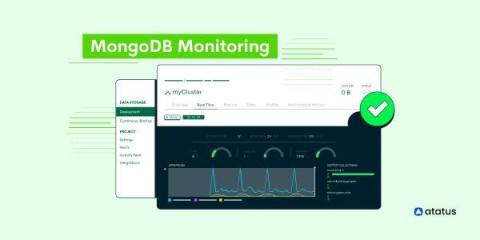
MongoDB is renowned for its ability to scale horizontally, accommodate dynamic schemas, and deliver high-performance results. However, the seamless operation of any database, including MongoDB, relies heavily on efficient monitoring to uncover insights, identify potential bottlenecks, and proactively address issues that may compromise performance and reliability.
Delivering flawless customer experiences is no longer a luxury but a necessity in today’s digital landscape. Any interruption in the user journey can lead to lost sales and revenue and damage your brand’s reputation. At Catchpoint, we’re dedicated to helping you deliver exceptional digital experiences to your users worldwide. That’s why we constantly enhance our Website Experience solution, powered by WebPageTest, the gold standard in web performance testing.