Operations | Monitoring | ITSM | DevOps | Cloud

Committed to Observability Excellence: Logz.io's Open 360 Observability Platform Takes Home Over a Dozen Winter G2 Badges

As we continue to iterate and help organizations meet their observability goals, Logz.io is thrilled to announce we’ve earned over a dozen Winter 2023 G2 Badges for our Logz.io Open 360™ essential observability platform! G2 Research is a tech marketplace where people can discover, review, and manage the software they need to reach their potential. Here are the Winter 2023 G2 Badges we’ve taken home for Application Performance Monitoring (APM) and Log Analysis.


New Year's Resolutions For Peak Microsoft Teams Productivity and ROI

Ready for the New Year? Got your obligatory one-month gym membership lined up and a wine rack that’s empty on purpose? Most people at this time of year set themselves some resolutions to make this year the best yet. Unfortunately, pretty much everyone flakes out by about the third week of Jan… so why don’t you beat the trend and make some of them stick?

Architecting For Cost In AWS: Design Patterns And Best Practices

Cost optimization in cloud environments is no longer a luxury — it’s a necessity. As businesses increasingly migrate to AWS, they are met with the difficult task of ensuring robust performance and scalability, all while keeping an eagle eye on costs. How does one achieve this delicate balance? How can organizations ensure that their AWS architectures are both high-performing and cost-efficient?

An Introduction to OpenTelemetry JavaScript

Monitoring and observing application performance is a cornerstone for maintaining robust and efficient systems in the ever-evolving development landscape. One key player in this domain is OpenTelemetry. This post provides a comprehensive tutorial and unpacks what OpenTelemetry is, its applications and integration into the JavaScript ecosystem.

Top 10 Consent Management Platforms to Make Your Website Compliant

In the online world, the unassuming cookie plays a pivotal role and serves as small data stored by websites in visitors’ browsers. As users navigate the Internet using their browsers, these cookies — which are crucial for recognizing returning users — accumulate in vast numbers, even during a single website visit. Various entities, including the website itself and third-party platforms like Google Analytics, add virtual cookies.

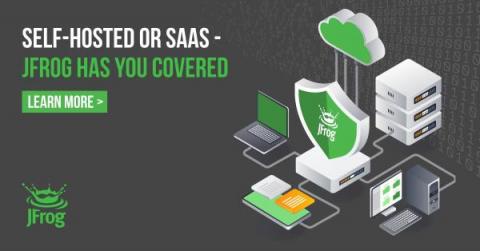
Self-Hosted or SaaS, JFrog Has You Covered

Freedom of choice can make choosing harder. Since a JFrog cloud (SaaS) account provides the same functionality as a self-hosted JFrog Software Supply Chain Platform how will you decide which is right for you? Choice without tradeoffs is one of the key ways JFrog enables you to be cloud-nimble, and run the mission-critical heart of your DevSecOps process wherever you need it to be — in any cloud, public or private, as SaaS, BYOL, or on-prem. So how will you decide?

6 Effective Church Marketing Strategies

Churches, like any other organizations, need to effectively communicate their message and engage their audience. With the advent of the digital age, traditional methods of outreach are no longer sufficient. This document will explore six effective church marketing strategies that embrace modern digital tools and methods. These strategies aim not only to promote church activities and events, but also to fulfill the greater mission of effectively sharing the Word and building a vibrant, engaged community. If you are a church leader, staff member, or volunteer looking to enhance your church's outreach efforts, this document is for you.

Laravel Pulse cards to show response times, scheduled jobs, broken links

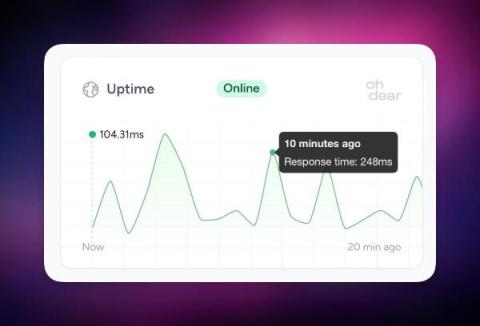
Today, we released the ohdearapp/ohdear-pulse package, which contains Laravel Pulse cards to show you the status of your scheduled jobs, any broken links you have in your Laravel app, and uptime / HTTP performance stats. All of these cards use the Oh Dear API to fetch their data. Laravel Pulse is a first party package that can display a dashboard with information surrounding usage and performance of your Laravel app. Here’s how a default installation looks like.