Just a fifth of IT professionals say they fully understand how AI tools work
The majority of IT professionals believe AI would make their lives easier, but most are not using it yet.


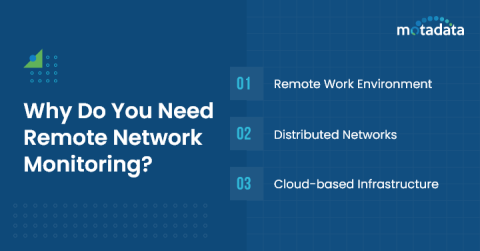
Are you relying on outdated manual methods to monitor your network? Struggling to keep up with the increasing complexity of your IT infrastructure? Being constantly reactive to network problems instead of proactive in preventing them? If you answered yes to any of these questions, then you’re putting your business at risk. But don’t worry, there’s a way out — Remote Network Monitoring.
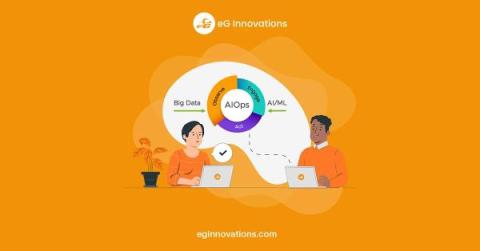
The adoption of AIOps monitoring technologies has been somewhat slower in EUC than many other areas of IT. The legacy VDI and DaaS vendor tools set expectations low for many. It is still relatively common for us to come across potential customers who are using legacy tools and manually exporting 6 months of data into an excel spreadsheet to try and work out average and peak usage of resources such as CPU to then manually calculate alert thresholds.
In today's digital-first landscape, maintaining the health and performance of your network is critical for the seamless operation of your business and its services. To that end, network observability has emerged as a key concept and discipline in ensuring the robustness and performance of networks. But what is network observability?
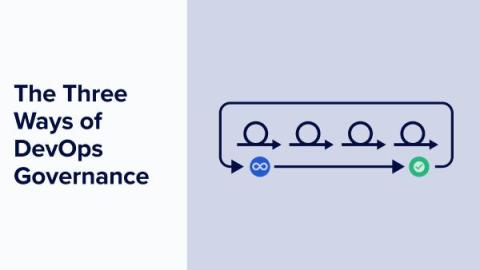
In this blog post, I take a look at modern IT governance by applying the classic “Three Ways” of DevOps principles originally introduced by Gene Kim in his seminal 2012 article. “We assert that the Three Ways describe the values and philosophies that frame the processes, procedures, practices of DevOps, as well as the prescriptive steps.” Here’s a quick reminder of the three ways set out by Gene: For Gene, all DevOps patterns can be derived from these three principles.
Table of contents As a golden rule of building a developer tool, you should always dog-food your own product. But, how does this work with a monitoring solution 🤔? Doesn’t it create a chicken and egg problem? Checkly uses multiple tools to monitor the platform, and tools from our competitors as well. However, we still dogfood our platform heavily. I believe this is mainly due to our engineers also liking the product and finding it quite easy to monitor their features.
IT automation delivers plenty of excitement for the financial services industry, with its power to make AI even more intelligent, as AI plays a part in today’s automation journeys.
Google Workspace is a robust set of productivity applications with billions of users and millions of paying organizations. These include small mom-and-pop shops and the largest enterprises. Google provides the Google Reports API, “a RESTful API you can use to access information about the Google Workspace activities of your users.” This data is critical for establishing a solid security posture.