Operations | Monitoring | ITSM | DevOps | Cloud



Why Automatic Cloud Cost Optimization Isn't Enough
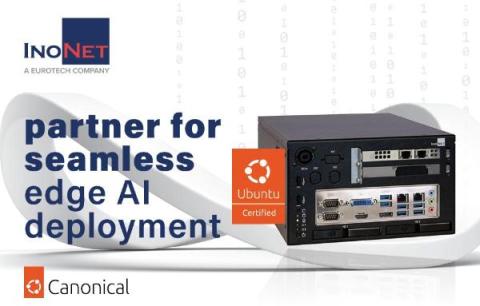
InoNet and Canonical partner for seamless Edge AI deployment
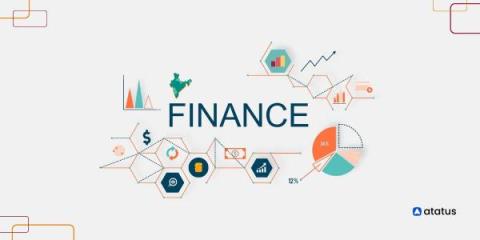
Selecting Observability and Security Solutions in Compliance with RBI: Fintech Challenges
Fintech, an abbreviation for financial technology, encompasses many firms and technologies that employ innovation and tech to enhance and automate financial services and operations. Their goal is to enhance the efficiency, accessibility, and user-friendliness of financial services. Fintech entities span numerous sectors within the financial industry, such as online payments, lending, digital banking, investing, insurance, and more, all aimed at streamlining financial processes.

Analyzing GCP Costs with BigQuery: A How-To Guide
Effective Google Cloud Platform (GCP) cost management is an essential aspect of cloud administration, ensuring that resources are used optimally without overspending. Utilizing BigQuery for GCP cost analysis offers a comprehensive solution to understand and control your cloud expenses. The integration of GCP billing data into BigQuery allows for real-time analysis and detailed insights into your cloud spend.
Understanding Internal Status Pages
In today's fast-paced business environment, it's crucial for companies to monitor and address system health issues immediately. Internal status pages are tools designed for this purpose. They display up-to-date information about the company's internal and external systems and services, proving valuable not only for IT professionals but also for the overall efficiency and response capacity of a business.
How to Automate Change Management for DevOps
Until fairly recently, software releases happened once or twice a year, maybe once a quarter. This gave IT teams plenty of time to verify and manually sign off on every change before they were released in big batches during a bank holiday weekend or off-peak hours. Typically, they’d produce paperwork to show that all changes had been properly tested, and then those changes would be approved for release in a change advisory board meeting (CAB).
Understanding Your Cloud Bill: A Beginner's Guide
Embarking on the journey of understanding your cloud bill can initially seem daunting, but grasping a few essential concepts and familiarizing yourself with common terminology can significantly demystify the process. At its core, cloud billing is the method by which cloud service providers charge for the resources and services that your business consumes.