In the labyrinthine corridors of modern enterprise software, SharePoint Online stands as a beacon of collaboration and efficiency. It’s not just a tool; it’s a multifaceted platform that has been meticulously refined to meet the multifarious demands of today’s businesses.
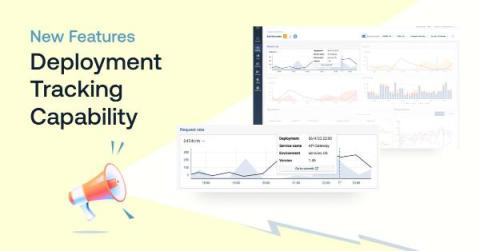
When things go wrong, we’d all love the ability to go back in time, return things to the way they were, and fix whatever issues pop up at the start so they never happen in the first place. This is no different when maintaining complex microservices-based architectures. With any complex system, things are bound to go wrong from time to time.
Greetings! My name is Matt Krauser and I’m a Strategic Sales Executive here at Cycle. After participating in nearly a hundred demos of the platform, I wanted to step back from my day to day grind and share a little about my experience thus far. My goal in writing this is to compare Cycle and Kubernetes, discuss the primary pain points I hear from prospects and K8s users on a daily basis, and explain how Cycle can alleviate these challenges.
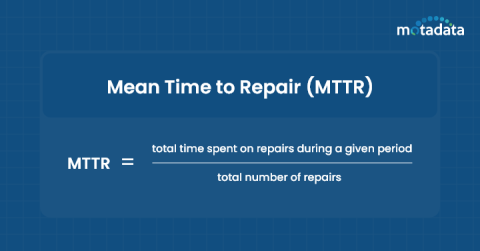
Organizations striving to improve their operational efficiencies must know how to reduce MTTR as it plays a key role in today’s fiercely competitive business landscape. Customer satisfaction is a top priority for most businesses and late response to their queries or issues can have a negative impact. To track the response and resolution time, businesses measure their MTTR score. MTTR is a key metric that gives insight as to how much time an organization takes to resolve an incident or issue.
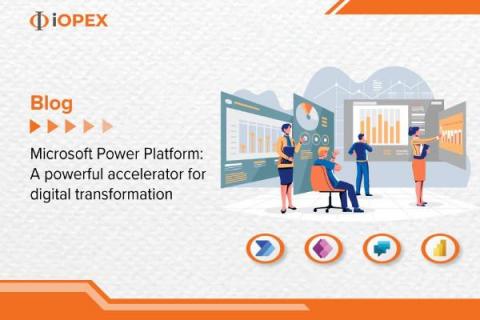
There are plenty of excellent platforms and tools available to fuel digital transformation. Increasingly, too, they’re a low-code or no-code solution: a suite of software that can build automation, analytics & applications from the ground up without extensive development skills. These tools level the playing field for businesses that want to automate unique processes, gather data and improve their customer and employee experiences.
In our last blog, we outlined why now is the perfect time for MSPs to embrace co-managed services and discussed why this approach represents a strategic leap forward for them in an era where adaptability and partnership are the keys to success.