Operations | Monitoring | ITSM | DevOps | Cloud

HP brings the power of Ubuntu-based data science to Windows workstations

Ubuntu is fast becoming the platform of choice for data scientists worldwide – which is why HP is empowering its customers to launch Ubuntu environments directly on their Windows machines. In addition to native Ubuntu offerings, select Z by HP workstations are also available with Windows Subsystem for Linux 2 (WSL 2) pre-installed and pre-enabled, giving users the ability to accelerate data science workflows on Ubuntu straight out of the box, without leaving their native Windows OS.
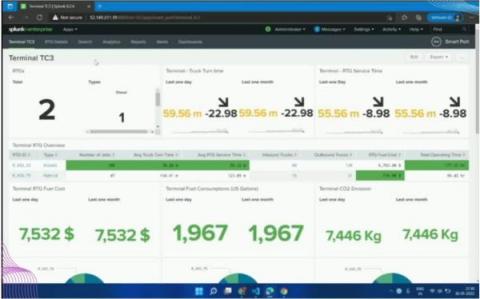

The Power Of The Ecosystem: Intel and Splunk Help Partners Bring Data To Life

Last year, International Data Corporation released its Data GlobalSphere Forecast, 2021-25, in which it outlined the projected 23% compound annual growth in data, leaping to 175 zettabytes of data globally. So the natural question becomes, what will the world do with that much data? And, more importantly, what can your business do with your data?

Linux on Mac takes the next step with Multipass 1.9

This week, the Multipass team announced a new version of the VM manager and local mini-cloud. Multipass makes it easy to run Linux virtual machines on Mac, Windows, and Linux hosts by providing a streamlined CLI that abstracts away the admin overhead of working with VMs. This update comes with some exciting new features, including enhanced networking and suspend capabilities on macOS, and the ability to authenticate clients, which allows Multipass to run as an unprivileged user.

Kubernetes in Docker Desktop Just Got Easier with Epinio

Epinio takes developers from application to URL in one step. In this blog post, I’m going to tell you about the new Epinio extension for Docker Desktop, that allows you to run Epinio on your laptop. DevOps are very interested in the details of containerized workloads and Kubernetes especially, but for developers, the abstraction layer provided by Kubernetes might not be too relevant to their daily work.

Centralized Log Management for Reporting Compliance to Management

It’s 3pm on a Wednesday, and you’re really just done with the week already. You hear that “ping” from your Slack and know that you set notifications for direct messages only, which means, ugh, you have to pay attention to this one. It’s your boss, and she’s telling you to check your email. Then you see it, the dreaded audit documentation request. This will take you the rest of today and most of tomorrow.

What Is Telemetry and Why Is It Important?

Properly leveraging telemetry is a true game-changer for any IT department looking to optimize and stabilize its systems. Telemetry provides the first step to answering the all-important question, “What’s happening in my network?” It’s your eye into the inner workings of your system, giving you a view into how different components are performing.

How Sumo SREs manage and monitor SLOs as Code with OpenSLO

At Nobl9’s annual SLOconf—the first conference dedicated to helping SREs quantify the reliability of their applications through service level objectives (SLOs)—Sumo Logic shared our contribution of slogen to the OpenSLO community, as well as our commitment to OpenSLO as an emerging standard for expressing SLOs as Code. slogen is an open source, SLO-as-code CLI tool based on the OpenSLO specification.

Improve Performance in your iOS Applications - Part 2

The performance of your iOS app is crucial when building and publishing it for any number of users. Your users expect it to be delightful, fast and responsive, so if your app seems sluggish or unresponsive, it will affect your reviews and you might lose valuable users. While solving this for your apps, it’s easy to overlook the influence of the choices made on performance throughout development.

How to Move Ahead of the Three Pillars of Observability

The acceleration in digitalization, also due to the pandemic, has brought an organization’s business and IT teams and strategic goals closer together than ever before. Chief Information Officers (CIOs) have existed since the early 1980s and, until recently, their typical role was primarily focused on managing the technology infrastructure. But in a post-pandemic world, that role is now expanding beyond traditional IT responsibilities.