Operations | Monitoring | ITSM | DevOps | Cloud

Shipa Product Updates - 1.7.0 Release

We are really excited today to announce the Shipa 1.7.0 Release. Lots of great features and enhancements are packed in the latest release of Shipa. Several features coming from our customers and community, and you can now submit your ideas via the Idea Portal. Let’s take a look at what has been cooking at Shipa and upcoming events that you can catch us at.
Get more from your Jira integration with custom field support

When FireHydrant originally launched our Jira Cloud and Jira Server integrations, we did not support custom fields. This prevented customers who rely on Jira epic ticket types or other custom required fields from getting full value from our Jira integrations. That has changed with the launch of Jira custom field support. We now support the most common type of Jira epic tickets and field-level mapping of Jira custom fields with FireHydrant incident data.

Elastic on Elastic: How we saved $100,000/month by keeping our own software up to date

Let's start with the bottom line: When we upgraded to Elasticsearch 7.15 last year, our internal observability clusters saw a reduction in inter-node traffic from 464TB to 204.5TB per day. We monitored this reduction through subsequent upgrades and noticed its impact on our data transfer and storage costs. So here it is: upgrading saved Elastic $3,500 per day, or approximately $100,000 a month, or $1.2 million annually.

AppScope 1.0: Changing the Game for Infosec, Part 2

We’re introducing AppScope 1.0 with a series of stories that demonstrate how AppScope changes the game for SREs and developers, as well as Infosec, DevSecOps, and ITOps practitioners. This blog is the second of two Infosec stories. For both Part 1 and Part 2, Randy Rinehart, Principal Product Security Engineer at Cribl, contributed extensively.

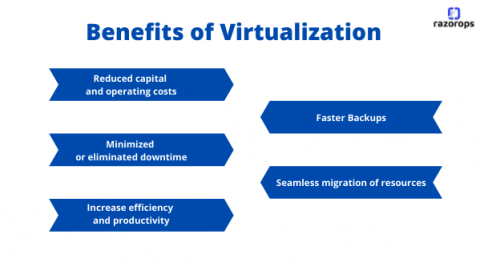
What is Virtualization & Top 5 Benefits of Virtualization

Virtualization uses software to create an abstract layer over the hardware. By doing this it creates a virtual computer system, known as the virtual machines (VMs). This will allow organizations to run multiple virtual computers, operating systems, and applications on a single physical server How Does Virtualization works: Virtual machine (VM) is a virtual representation of a physical computer.Virtual machines can’t interrelate directly with a physical computer, but.

Automating the deployment of LoopBack applications to Heroku

Before automation became commonly used by software development teams, bottlenecks, repetitive tasks, and human error were rampant. Automation has freed up valuable human resources for organizations while reducing the risk of human error caused by active human brains trying to perform mundane repetitive tasks. Recent strides in the area of continuous integration and continuous deployment (CI/CD) have made it more feasible to automatically deploy updates to software applications.

Deploy application environments on demand with the Quali Torque orb

Most developers care about building the next big thing. Automating your build, test, and release processes allows you to maintain focus on innovating and delivering value to your users. By combining the power of best-in-class CI/CD workflow orchestration with managed environments-as-a-service, developers can stay focused on building what’s next.

VMware vSphere vs. ESXi vs. vCenter

VMware is best known for developing software packages that support virtualization. Using the company’s solutions, your business can adopt a multi-cloud environment. It also works to modernize applications and support security initiatives. You can even create an anywhere workspace for your team. One of the products that will help you accomplish these things is known as vSphere. vSphere is a suite of products. This means you can download and use components of the suite individually.

Extend Device Lifecycles and Increase Employee Happiness

See how Nexthink’s IT department extended hardware refresh cycles while increasing employee happiness by offering device choices and incorporating sentiment and environment stewardship into the process. Like many organizations, our IT team has fallen behind on hardware refresh cycles due to the global chip shortage and ongoing supply chain issues.