The State of Open Source: A FOSS Backstage 2022 Event Report
Learn about the current open source trends discussed at this year's FOSS Backstage.


The ‘Add to Cart’ user journey is one of the most common ecommerce customer journeys used by website owners. For obvious reasons, ensuring potential customers can search, select a product, and checkout successfully is a vital function. Unlike ecommerce customer journey map tools, Synthetic user journey monitoring can assist in creating a positive customer experience by tracking performance metrics, and sending alerts if issues do occur.
Staying on top of deadlines, busy schedules, team organization, and customer needs are challenging. If you add some of the common email problems we discuss in this article, your list of challenges can rapidly grow. While it's helpful to have an IT department to deal with technical issues, it's a good idea to know how to fix some of them yourself, so let's get to business.
A well-run IT team keeps track of every asset in their domain, including hardware, software, and licenses. The specific task of managing hardware assets is known as hardware asset management. This involves keeping tabs on hardware from the time it's requested and purchased to the time it's phased out of use and disposed of. As you can imagine, this can be a daunting task when handled manually. Without procedure and special tools, the process can be scattershot and rife with opportunities for error.
Ansible is a commonly known tool to easily automate deployments in infrastructures, its configuration is based on YAML and is able to scale in big environments. Icinga 2 provides its own secure agent to monitor hosts, high available satellite zones and monitoring configuration. To manage this monitoring environment we introduce you to the ansible-collection-icinga, this collection can install Icinga 2 server, configure monitoring and deploy Icinga 2 agents in your infrastructure.
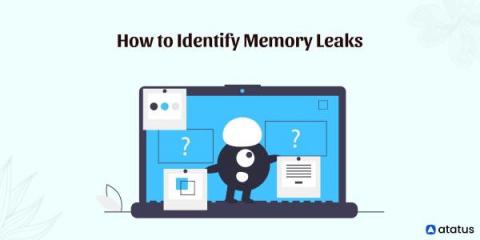
You may not be familiar with thinking about the memory usage of your applications as a software developer. Memory is plentiful and usually relatively fast in today's development world. Likely, the programming language you're using doesn't require you to allocate or free memory on your own. However, this does not mean you are safe from memory leaks. Memory leaks can occur in any application written in any language. Sure, older or "near to the metal" languages like C or C++ have more of them.
Welcome to our final post in our EI Architecture Series on Intelligent Alert Grouping. I hope you’ve enjoyed this series, and if you’d like to take a look at any of our prior posts, please use the ei-architecture-series tag. Let’s take a moment and recap everything we’ve learned.
It can be challenging for even the most experienced IT organizations to embrace the latest DevOps automation tools and then ensure they are implemented in the most optimal way across a hybrid IT estate. Infrastructure teams are faced with increasing deployment complexities, budget and staffing constraints, competing priorities, and the challenge of supporting expanding development teams, impacting their organizational goals and KPIs.
Data security is on every priority list in 2022. With the frequency of breaches never higher, many businesses assess their situation and ask cybersecurity questions. With cybersecurity policy, everything boils down to risk. Ultimately, every decision-maker wants to know, “how likely are we to be attacked?” Many believe cybercriminals only target certain kinds of data. Sensitive information, high-value financial data, and medical records are all widely accepted to carry a high risk.