Operations | Monitoring | ITSM | DevOps | Cloud

Asset Inventory Management Tips & Best Practices

There are many aspects to keeping your IT house in order. And IT asset inventory management is just one of the many heads of this ever-shifting hydra. It’s also one of those practices that managers may sometimes gloss over in their effort to go after “the big issues.” In this guide, we’ll clue you into some best practices that you absolutely have to take into account to run things smoothly.
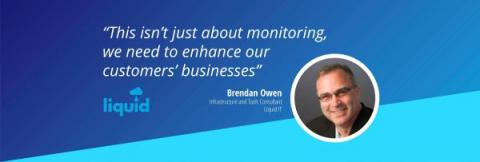

Hybrid Infrastructure Monitoring and Alert Management on a Single Platform Made the Difference for Liquid IT

Liquid IT is a New Zealand IT services company that delivers cybersecurity, network connectivity and integrated workspace services to government and corporate clients in New Zealand. The firm manages a hybrid IT environment for its customers that includes Microsoft Azure cloud services, Cisco Meraki cloud network services, plus on-premises compute, storage and networking from the likes of VMware, Dell EMC, Nutanix, AeroHive and Palo Alto Networks.

Running Tracealyzer 4 on Linux hosts

To run Tracealyzer 4 on Linux, the first thing you will need to install is Mono. For most distributions there’s a package called “mono-complete”, though some distributions and package systems may instead use simply “mono”. There may be additional requirements, in particular for Debian/Ubuntu and Fedora based systems. See below for distribution specific instructions. Mono version 5.14 (or newer) is required for Tracealyzer.

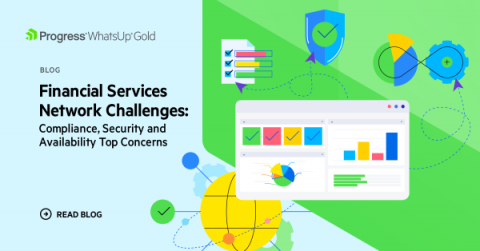
Financial Services Network Challenges: Compliance, Security and Availability Top Concerns

Financial services firms face three key network issues: maintaining compliance with an array of regulations, keeping a growing horde of financial data hungry hackers at bay, and earning the trust of users with an always-on responsive network. Financial data is so valuable, cybercriminals make getting it a top priority. And financial services networks are so interconnected and complex, there are all sorts of ways hackers can try to break in. The security threat to finance is more than bad.

The Big Problem With Big Data

The 2022 Australian Open men’s singles final between Rafael Nadal and Daniil Medvedev was epic! I watched it in Australia, which meant I was up until 2 a.m. on a Sunday night. Monday morning’s dog walk was sub-joyful. Medvedev seemed unplayable, taking the first two sets comfortably. But Nadal is a legend for a reason. Point by point, he overran his rival to make history.

The Importance of Log Management and Cybersecurity

Struggling with the evolving cybersecurity threat landscape often means feeling one step behind cybercriminals. Interconnected cloud ecosystems expand your digital footprint, increasing the attack surface. More users, data, and devices connected to your networks mean more monitoring for cyber attacks. Detecting suspicious activity before or during the forensic investigation is how centralized log management supports cybersecurity.

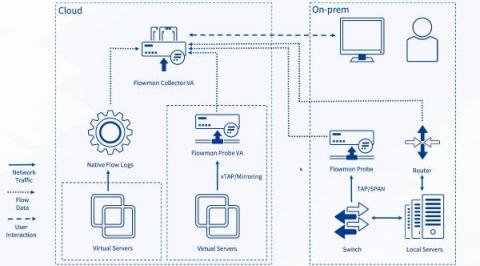
How to Optimize Cloud Monitoring Costs Using Flow Logs in Progress Flowmon

This blog post discusses some of the best practices for balancing the costs of cloud traffic monitoring while maintaining a reasonable level of visibility. Progress Flowmon 12 has introduced the processing of native flow logs from Google Cloud and Microsoft Azure, plus it has enhanced support for Amazon Web Services (AWS) flow logs.

A guide to Microsoft Azure Regions

The global footprint of Microsoft Azure is made up of physical infrastructure of over 200 data centres and connective network components, arranged into regions, and linked by a large interconnected network. Each of the Azure data centres provides high availability, low latency, scalable cloud services close to users to improve reliability and speed. In this blog, we look at the Azure Regions, and explain the benefits of using a direct connection to access Azure infrastructure.

APM is Legacy. Distributed Tracing is Designed for Modern Teams

Some background. Having implemented at least 20 or more APM systems in production as an end-user at various companies, and both deployed and managed countless monitoring tools outside APM, I understand the role of the practitioner. Later on, I shifted to Gartner and led the APM Magic Quadrant for four years, finally spending another four years at AppDynamics (operating under Cisco after two years).