In our previous blog, we shared our firsthand experience of implementing a tracing collector API using serverless components. Drawing parallels with Amazon Prime Video’s architectural redesign, we discussed the challenges we encountered, such as cold-start delays and increased costs, which prompted us to transition to a non-serverless architecture for more efficient solutions.
Every single day RapidSpike detects thousands of problems with website third-party plugins that are causing revenue and customer experience issues, and 90% of them are not just affecting our users; they are affecting every user of that third party. The difference is with RapidSpike, we tell them about it. In 2018, a major e-commerce website experienced a significant performance failure due to a third-party plugin.
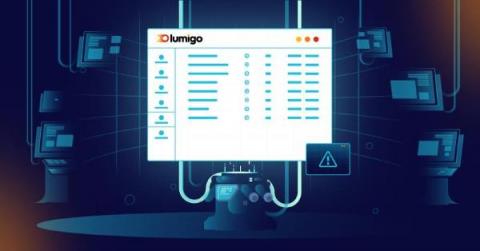
As developers, we understand the immense value of having real-time access to live traces. It significantly enhances our ability to identify, debug, and troubleshoot potential issues within applications, streamlining the development and deployment process. Today, we are excited to introduce the new and improved Live Tail feature at Lumigo, which enhances your observability experience to a whole other level.
It’s an exciting time to be a service provider. The shift in enterprise digital buying preferences to everything as a service has opened vast opportunities to strengthen customer relationships and create new revenue streams in such things as robotics, autonomous fleets, analytics, drone-based inspection, and remote telemetry. A connected ecosystem can help you seize these opportunities, accelerate innovation, and grow revenue while reducing the cost to serve.
Recently in our Better Incidents Slack channel, there’s been some chatter around how people structure dedicated incident commanders at their company: distributed or centralized. The way I see it, there are two types of commanders: the temporary, distributed role — a hat that an on-call engineer or an engineering manager puts on during an incident. Then there’s the centralized, full-time role, where someone is the designated incident commander (or one of a few) for all incidents.