Businesses are increasingly turning to cloud computing to drive innovation, scalability, and cost efficiencies. For many, managing cloud costs becomes a complex and daunting task, especially as organizations scale their cloud infrastructure and workloads. In turn, cloud cost management tools can help teams gain better visibility, control, and cost optimization of their cloud spending. These tools not only provide comprehensive solutions to track and analyze, they also optimize cloud expenses.
Building, testing and deploying software is a time-consuming process that many organizations aim to minimize by automating repeatable work wherever possible. To do so, many organizations are utilizing a continuous integration, continuous delivery (CI/CD) philosophy in combination with cloud native tools like Kubernetes to develop and deploy software at scale.
IDC published a Market Perspective report discussing implementations to leverage Generative AI. The report calls out the Elastic AI Assistant, its value, and the functionality it provides. Of the various AI Assistants launched across the industry, many of them have not been made available to the broader practitioner ecosystem and therefore have not been tested. With Elastic AI Assistant, we’ve scaled out of that trend to provide working capabilities now.
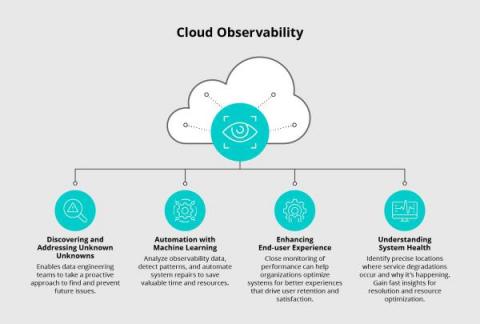
A robust observability strategy forms the backbone of a successful cloud environment. By understanding cloud observability and its benefits, businesses gain the ability to closely monitor and comprehend the health and performance of various systems, applications, and services in use. This becomes particularly critical in the context of cloud computing. The resources and services are hosted in the cloud and accessed through different tools and interfaces.
Cybercriminals have become increasingly sophisticated, employing aggressive and ever-changing techniques to breach small and medium-sized businesses (SMBs). These attacks are on the rise, posing a significant threat to organizations that lack robust cybersecurity measures. Hackers are relentless in their efforts to exploit vulnerabilities in SMBs’ systems, often due to their comparatively weaker security infrastructure.