Operations | Monitoring | ITSM | DevOps | Cloud

The Basics of Cloud Infrastructure Management

Cloud Infrastructure Management is the most efficient way to manage your IT resources in a flexible and decentralized way. This type of IT infrastructure provides the scalability, flexibility, and cost-effectiveness required to meet the dynamic demands of organizations of all sizes. Because of this, many business in today's work environment opt for this model.

Your First 100 Days With Cribl: Why Having an Onboarding Process Matters

The process of adding new data to operations and security analytics tools is familiar to admins. New data onboarding can be a tiresome process that takes up too much time and delays getting value from the new data. The process typically begins with the admin engaging the data source owner, getting the wrong data sample, and then having to try again.

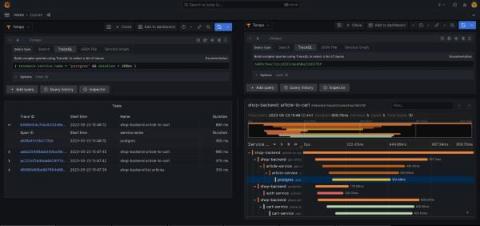
Simplify managing Grafana Tempo instances in Kubernetes with the Tempo Operator

I’ve been working with Grafana Tempo for about half a year now, and one thing I like about it is that Tempo requires only object storage for storing traces, which is easy to set up in both cloud environments and on-premises. Another outstanding feature is TraceQL, which allows searching for relevant traces with a powerful query language.

SysAdmin Appreciation Day: Honoring the Heroes of the IT World

System Administrator Appreciation Day, also known as SysAdmin Day, has been celebrated on the last Friday in July since it was created in 2000 by Ted Kekatos. It is a special day dedicated to acknowledging the contributions of system administrators and IT professionals who play a vital role in managing and maintaining the technology infrastructure of organizations.

How to Remove Fields with Empty Values From Your Logs

Much of the log data we handle doesn’t offer substantial insight and can be conveniently removed from your logs, helping us reduce costs. What may seem like a small adjustment, like deleting an attribute, can have significant implications when scaled up. A typical case involves fields in your logs presenting empty values or housing data considered irrelevant. Below we’ll take a look at a few examples of what this looks like and how you can take action in BindPlane OP.

How Does Networking Work with Istio?

As organizations continue to digitally transform and expand their networks via cloud and multi-cloud environments, it has become increasingly critical to protect microservices and data flow. Implementing advanced technology such as service mesh helps your team secure data networks and manage system access policies by matching user intentions to workload states. Service meshes like Istio support the latest software application trends like containerization and microservice infrastructures.

Understanding and Preventing Email Spoofing Attacks

Now that most people are familiar with and thus able to avoid standard phishing attacks, malicious actors have shifted to something more insidious. Email spoofing is an attack in which attackers impersonate someone the target knows, is a much more subtle way to compromise a user’s credentials or device. Like phishing, however, once you know the signs of a spoofed email and train other users on how to spot them, addressing the issue is often straightforward.

You're Only as Strong as Your Weakest Link: The Importance of Vendor Risk Assessment

When you choose to work with another organization, for the sake of your reputation and security, you need to carefully vet each organization before finalizing the decision. Choosing a vendor with which to do business relies on that vendor ranking highly on a vendor risk assessment, which occurs when that vendor practices robust security, ensures compliance with local regulations, and implements effective policies and procedures to ensure smooth daily operations.

The DevSecOps Toolchain: Vulnerability Scanning, Security as Code, DAST & More

DevSecOps is a philosophy that integrates security practices within the DevOps process. DevSecOps involves creating a ‘security as code’ culture with ongoing, flexible collaboration between release engineers and security teams. The main aim of DevSecOps is to make everyone accountable for security in the process of delivering high-quality, secure applications. This culture promotes shorter, more controlled iterations, making it easier to spot code defects and tackle security issues.