Imagine you're sitting in your office, and you start noticing emails coming in asking if you'd like to buy your domain. "Huh, that's weird, I already own that domain" you think to yourself. A few more emails come in, and they're getting past the spam filter, so you decide to double check your domain manager. Doubt starts creeping into your mind, you start panicking, and you frantically scroll down to where the domain should be, and... It's gone.
In the constantly evolving world of technology, managing containerized applications at a scale that can match growing business demands is a challenging task. Microsoft, however, has emerged as a leader in this field, offering the Azure Kubernetes Service (AKS). AKS is a managed container orchestration service that provides a rich and robust platform for developers to deploy, scale, and manage their applications.
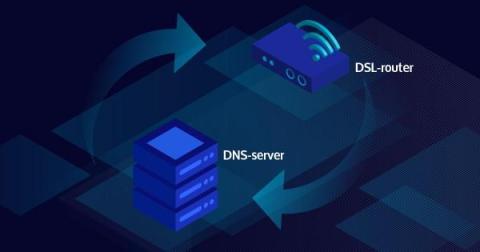
We recently announced the general availability of Icinga 2.14, which most of you might have noticed, and with that in mind, I’d like to show you how you can easily troubleshoot and eliminate some of the dependencies headaches known as the dependency cycle.
The rise of self-hosting has revolutionized the way businesses operate online. With organizations increasingly moving away from traditional hosting services to manage their own infrastructure, the need for effective monitoring solutions has become paramount. However, self-hosting monitoring poses numerous challenges that can make it a daunting task for many businesses.
Community Client libraries are back with InfluxDB 3.0. If you would like an overview of each client library then I highly recommend checking out Anais’s blog on their status. In this two-part blog series, we do a deep dive into the new Python Client Library and CLI. By the end, you should have a good understanding of the current features, how the internals work, and my future ideas for both projects.
As a leader in IT, the question of whether or not it makes sense to adopt a dedicated software troubleshooting solution probably comes up from time to time. If it's happened in your organization — no worries — you're not alone. Many teams wonder if their current tools, such as an Application Performance Monitoring (APM) solution or a suite of open-source solutions are sufficient.