Cross-Cloud Connectivity Made Easy with Oracle and Megaport
With the latest suite of integrations between Megaport and Oracle Cloud, boosting performance and reducing costs across your cloud suite is easier than ever.


With the latest suite of integrations between Megaport and Oracle Cloud, boosting performance and reducing costs across your cloud suite is easier than ever.
It’s been about 8 months since we first launched Cribl Search. For our early adopters, it’s been a game changer, and with each monthly release, we continue to innovate — expanding access to new datasets and adding new functionalities. If Crib Search is new to you, here is a quick recap. Cribl Search flips the observability data search paradigm on its head. You no longer have to collect, ingest, and index your data before you can search it.
Are you ready to supercharge your cloud experience and take your applications to new heights? Look no further! Azure Storage Global Accelerator is here to rev up your cloud journey like never before. If you’ve ever felt like your data needed a boost to reach its destination faster, then this innovative service from Microsoft Azure is exactly what you need.
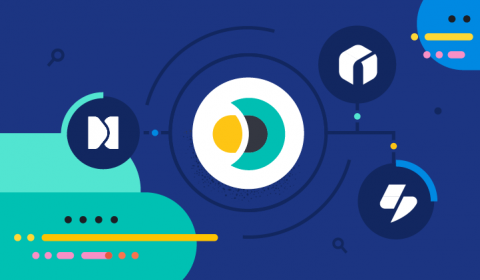
The latest versions of Elastic Observability’s most popular observability integrations now use the storage cost-efficient time series index mode for metrics by default. Kubernetes, Nginx, System, AWS, Azure, RabbitMQ, Redis, and more popular Elastic Observability integrations are time series data stream (TSDS) enabled integrations.
Elastic Search 8.9 introduces hybrid search with Reciprocal Rank Fusion (RRF) to combine vector, keyword, and semantic techniques for better results. This release also brings performance improvements in vector search and ingestion with response times that are up to 30%+ faster. Users also have more ingestion options with the new SharePoint Online connector, which includes document-level security.
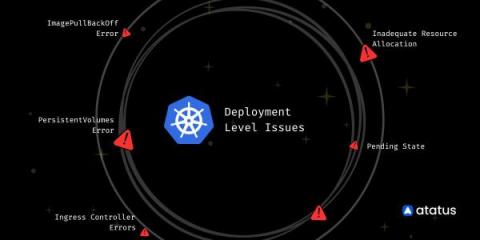
Kubernetes has emerged as the de facto standard for container orchestration, with its ability to automate deployment, scaling, and management of containerized applications. However, even with the best practices and expertise, Kubernetes deployment can sometimes be a complex and challenging process. It involves multiple layers of infrastructure, including the application, Kubernetes cluster, nodes, network, and storage, and each layer can have its own set of issues and challenges.
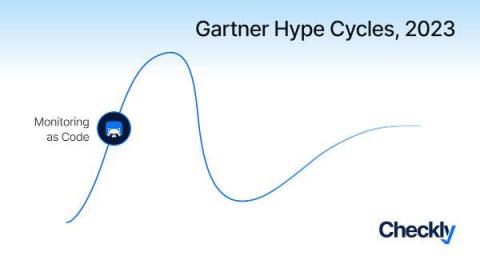
I’m thrilled to announce that Gartner added Monitoring as Code (MaC) as an emerging practice into their Hype Cycles for Monitoring and Observability and Site Reliability Engineering. We are extremely hyped about this recognition and being listed as a vendor innovating in that space. Since we founded Checkly, our vision has been that monitoring should be set up as code and live in your repository; it must be open-source based and feel natural for developers.