Operations | Monitoring | ITSM | DevOps | Cloud

Amazon Linux 2023: Why we're moving to AL2023

Amazon Web Services (AWS) recently announced the release of Amazon Linux 2023 (AL2023) as the next generation of Amazon Linux with enhancements to its already-proven reliability. Besides offering frequent updates and long-term support, AL2023 provides a predictable release cadence, flexibility, and control over new versions. It also eliminates the operational overhead that comes with creating custom policies to meet standard compliance requirements.


4 Crucial Questions to Ask When Choosing an MDM Solution

Mobile workforce is an unavoidable work trend in the future. Whether it is implementing BYOD at remote workplaces or managing unattended devices without regular on-site visits, mobility management solution will play an imperative role in helping enterprises control all company-owned devices while protecting data security simultaneously.

Mattermost v7.9 is now available

Mattermost v7.9 is generally available today. With this latest release, we’ve added Boards System and Team admin access and Compliance APIs. High-level access and management for all boards in a workspace helps maintain control of team collaboration, leading to a more effective and secure team environment. See the changelog for more details.

How We Define SRE Work, as a Team

Last year, I wrote How We Define SRE Work. This article described how I came up with the charter for the SRE team, which we bootstrapped right around then. It’s been a while. The SRE team is now four engineers and a manager. We are involved in all sorts of things across the organization, across all sorts of spheres. We are embedded in teams and we handle training, vendor management, capacity planning, cluster updates, tooling, and so on.

Boosting supply chain resilience and supplier relations

Supply chain business leaders around the world have been taking a close look at their resilience, agility, and supplier relationships. They’re saddled with a multitude of legacy systems, enterprise resource planning (ERP) systems, supply chain applications, and point solutions. This combination results in a fragmented view of the supply chain and supplier relationships and ultimately leads to delays and elevated operating expenses that are passed on to customers.

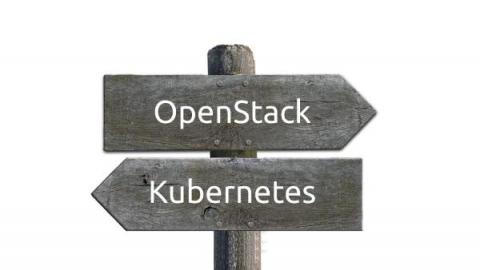
Kubernetes vs OpenStack: which one to choose?

Kubernetes vs OpenStack is a common dilemma that organisations face when considering the modernisation of their IT infrastructure. Both are well-established open-source technologies for building cloud infrastructure, and both bring tangible benefits, especially when used in combination. Yet, they differ significantly and need to be properly bundled to feel like a fully-integrated solution. What does this mean in practice? Let’s take a look!

Kubernetes CPU Requests & Limits VS Autoscaling

In a prior blog post, we discussed the basics of Kubernetes Limits and Requests: they serve an important role to manage resources in cloud environments. In another article in the series, we discussed the Out of Memory kills and CPU throttling that can affect your cluster. But, all in all, Limits and Requests are not silver bullets for CPU management and there are cases where other alternatives might be a better option.

MIAX and Cribl Stream: Enriching Data for Improved Observability and Faster Time to Value

Using Cribl Stream for observability is a given, but what about using Cribl Stream to get MORE from your data? Observability is all about being able to collect, route, store, and search your data. Implementing enrichment with observability provides more context and elevates your ho-hum data to robust information. This is key to faster, more confident decision-making!

Exceptions Happen. Handle Them Quickly.

It’s ironic, but exceptions happen all the time. We all can relate to these in supply chain operations: the crushed package, the barcode damaged to the point it can’t be decoded, the misplaced or abandoned tote. When these errors occur, what happens? The person who discovers it is responsible for reporting it. How long does that take? Who do they report the incident to? Should they address it themselves?