Operations | Monitoring | ITSM | DevOps | Cloud

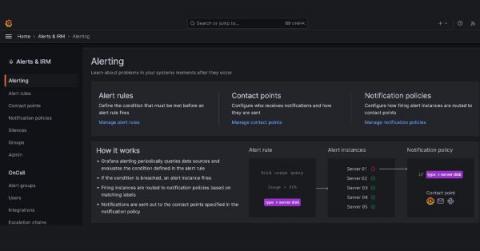
Alerting with Grafana and InfluxDB Cloud Serverless

Combining these two platforms provides an efficient, scalable and customizable tool for real-time data monitoring and alerting. In the data analytics and visualization world, it is crucial to have a system that not only effectively monitors your data, but can also alert you about any potential discrepancies or anomalies that may arise. One powerful tool set that enables you to monitor and alert on time series data is Grafana and InfluxDB Cloud Serverless.

Cycle's New Interface, Part 1

After a span of 5 long years, we've bid farewell to Cycle's old portal. Our engineering team has been working tirelessly over the last 10 months to bring a fresh, new interface to the platform for our users. This new design encapsulates the wealth of insights we've gained during this period. Just last week, we took the decisive step of launching it into production, and the initial feedback has been overwhelmingly positive.

How to Reduce IT Security Risk With IT Asset Management

The connected world we live in has both transformed our workplaces and raised the cybersecurity challenges. On top of this, remote work and the growing reliance on cloud services and SaaS apps can also make it more difficult for cybersecurity teams to keep track of all the potential threats. This is why, today more than ever, learning how to reduce IT security risk with IT Asset Management (ITAM) can be a game changer to keep your workplace protected.

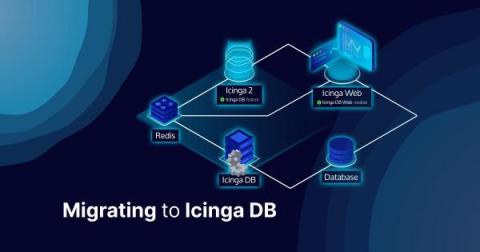
Migrating to Icinga DB

Although Icinga DB has been around for some time and many customers and users are already using it, there may still be some who are wondering how to upgrade/migrate to Icinga DB. This post will briefly explain the components of the Icinga DB and how to install them in a reasonable order. Note that it is assumed that all components are installed on the Icinga primary node(s) using a MySQL/MariaDB database.

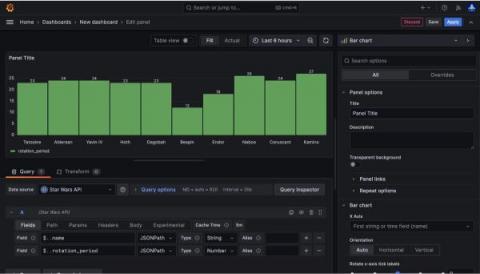
Grafana JSON API: How to import third-party data sources in Grafana Cloud

Have you ever wanted to test out Grafana Cloud but don’t have any available data to monitor? Well, have no fear! With the Grafana JSON API plugin, you can query publicly available JSON endpoints. The JSON API is a wonderful way to start using Grafana Cloud. You can quickly see data in action, and there are a multitude of things you can build, analyze, and monitor using the JSON API.

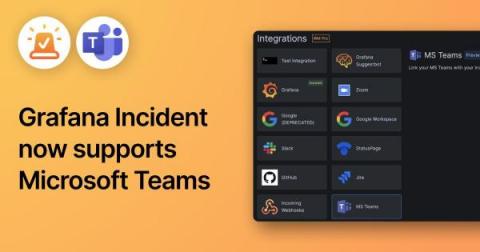
How to configure Grafana Incident with Microsoft Teams

Grafana Incident, the powerful incident response tool that is part of the Grafana IRM suite in Grafana Cloud, comes with a range of integrations out of the box, including Zoom and Google Meet spaces, GitHub and JIRA issues, and even a Google Doc template for post-incident review documents. One of the key features in Grafana Incident is the chatbot integration, which previously only supported Slack.

Why you need an artifact management platform for best-in-class software delivery

Discover the pivotal role of artifact management platforms in software delivery. Learn how Cloudsmith streamlines storage, boosts security, scales effortlessly, and more. Elevate your software delivery with indispensable tools and insights. The tools and strategies you employ in software delivery can make all the difference when distributing and managing software. As the intricacies of software projects amplify, the call for streamlined, secure, and adaptable solutions becomes undeniable.

Latest Developments in Site Reliability Engineering, 2023

Gartner recently published its Hype Cycle for Site Reliability Engineering, 2023, (July 2023) report. OnPage was inspired by this report to share its prediction about the future of site reliability engineering. In this blog, OnPage will review evolutionary tools that can improve site reliability engineering practices.

Getting started with RabbitMQ

RabbitMQ is an open-source message broker software that facilitates communication and data exchange between various components of distributed applications. Acting as an intermediary, RabbitMQ enables different software systems, services, and devices to exchange information in a seamless and efficient manner. It follows the Advanced Message Queuing Protocol (AMQP), a standardized communication protocol designed for robust and scalable messaging.