Create PromQL alerts in Cloud Monitoring now in Public Preview
You can now create globally scoped alerting policies based on PromQL queries alongside yourtheir Cloud Monitoring metrics and dashboards.


You can now create globally scoped alerting policies based on PromQL queries alongside yourtheir Cloud Monitoring metrics and dashboards.
When focusing on application performance monitoring (APM), there are currently many options to select from. With many of the tools available offering similar features, it can often be challenging to make an informed decision. One tool that appears to be on almost every list of ‘the best APM tools’ is Datadog.
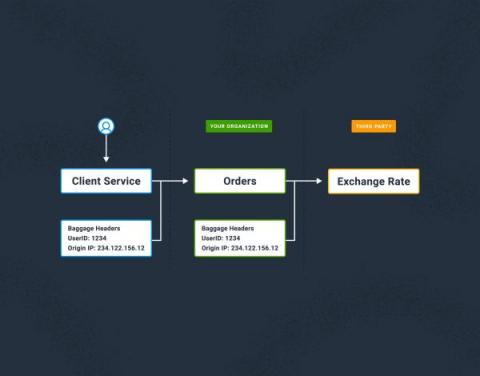
The W3C trace context specification is an amazing standard and a massive leap in standardization of telemetry correlation in the current climate of microservices being the de facto for new systems (that’s a debate for another day).
ScienceLogic is proud to announce that we’ve received the 2023 TrustRadius™ Tech Cares Award.
Christophe is a self-taught engineer from France who specializes in site reliability engineering. He spends most of his time building systems with open-source technologies. In his free time, Christophe enjoys traveling and discovering new cultures, but he would also settle for a good book by the pool with a lemon sorbet.
Metrics are important for a microservices application running on Kubernetes because they provide visibility into the health and performance of the application. This visibility can be used to troubleshoot problems, optimize the application, and ensure that it is meeting its SLAs. Some of the challenges that metrics solve for microservices applications running on Kubernetes include: Calico is the most adopted technology for Kubernetes networking and security.
With the recent advancements in technology and online digital services have transformed the way the banks work. Decades ago, banks used to handle everything on paper and the services opted for were very limited. Services were not unified, and account holders were forced to visit the bank even for small number of deposits or withdrawals or just to raise concerns. Today, technology has penetrated almost every industry and the banking sector is no exception to this undeniable reality.