Operations | Monitoring | ITSM | DevOps | Cloud

How to monitor CoreDNS with Datadog

In Part 1 of this series, we introduced you to the key metrics you should be monitoring to ensure that you get optimal performance from CoreDNS running in your Kubernetes clusters. In Part 2, we showed you some tools you can use to monitor CoreDNS. In this post, we’ll show you how you can use Datadog to monitor metrics, logs, and traces from CoreDNS alongside telemetry from the rest of your cluster, including the infrastructure it runs on.


Tools for collecting metrics and logs from CoreDNS

In Part 1 of this series, we looked at key metrics you should monitor to understand the performance of your CoreDNS servers. In this post, we’ll show you how to collect and visualize these metrics. We’ll also explore how CoreDNS logging works and show you how to collect CoreDNS logs to get even deeper visibility into your Deployment.

Key metrics for CoreDNS monitoring

CoreDNS is an open source DNS server that can resolve requests for internet domain names and provide service discovery within a Kubernetes cluster. CoreDNS is the default DNS provider in Kubernetes as of v1.13. Though it can be used independently of Kubernetes, this series will focus on its role in providing Kubernetes service discovery, which simplifies cluster networking by enabling clients to access services using DNS names rather than IP addresses.

Enhancing Security Workflows with Real-Time Notifications via Microsoft Teams and Slack

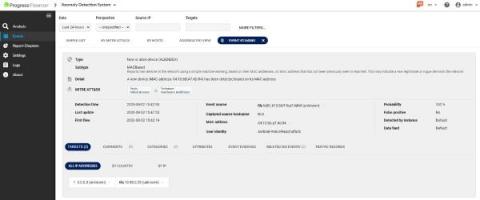
The integration with popular collaboration platforms like Microsoft Teams and Slack marks a pivotal advancement in security workflows. We are introducing new capability to post events from Flowmon ADS into Teams channel or Slack to instantly notify security teams. Integrations scripts are based on simple webhooks and available out of the box on our support portal both for Teams and Slack.

Kubernetes Liveness Probe Guide

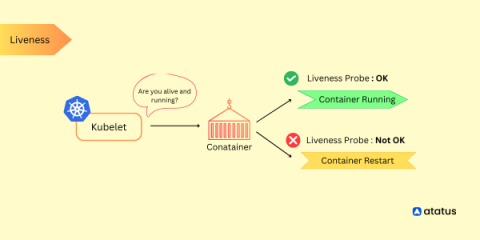
Kubernetes liveness probes are a critical component for monitoring the health and availability of application containers running within a Kubernetes cluster. They allow Kubernetes to determine whether a container is running as expected and take appropriate actions if it is found to be unresponsive or in an unhealthy state. Liveness probes periodically check the health of containers by sending requests to a specified endpoint or executing a command within the container.

9 Popular Kubernetes Distributions You Should Know About

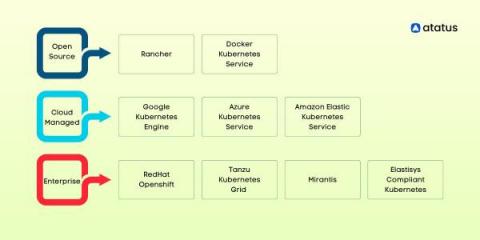
Kubernetes has become the go-to platform for container orchestration, allowing teams to more efficiently manage their containerized applications. Vanilla Kubernetes, as well as managed Kubernetes, are the two options available when building up a Kubernetes system. A group of programmers using vanilla Kubernetes must download the source code files, follow the code route, and set up the machine's environment.

Troubleshooting Cloud Application Performance: A Guide to Effective Cloud Monitoring

The scalability, flexibility, and cost-effectiveness of cloud-based applications are well known, but they’re not immune to performance issues. We’ve got some of the best practices for ensuring effective application performance in the cloud.

Unleash Microsoft Call Quality Dashboard Insights

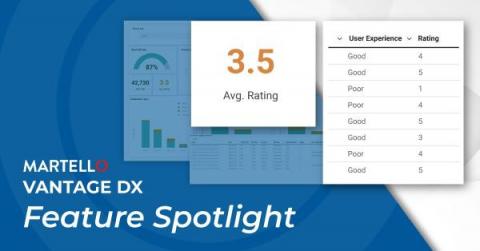
Finding answers when someone has a Teams performance issue is clunky and time-consuming for IT teams. The Microsoft Call Quality Dashboard (CQD) has a wealth of data, but there’s so MUCH data that it can be hard to find the answers quickly to optimize Microsoft Teams performance.

Tools and Trends in Site Reliability Engineering according to Gartner's 2023 Hype Cycle

Gartner recently published its Hype Cycle for Site Reliability Engineering, 2023, report. This blog reviews the future of site reliability engineering based on Gartner’s Hype Cycle. Additionally, the OnPage team is pleased that Gartner mentioned OnPage as a sample vendor in the Automated Incident Response category.

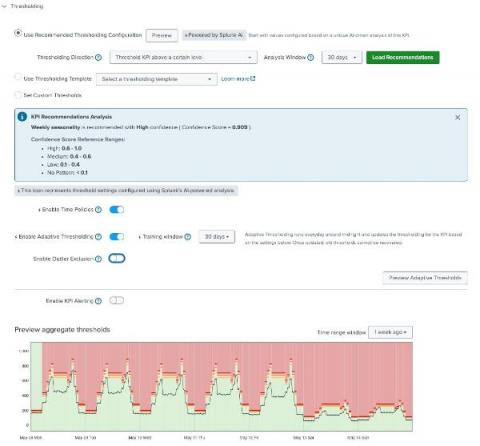
ML-Powered Assistance for Adaptive Thresholding in ITSI

Adaptive thresholding in Splunk IT Service Intelligence (ITSI) is a useful capability for key performance indicator (KPI) monitoring. It allows thresholds to be updated at a regular interval depending on how the values of KPIs change over time. Adaptive thresholding has many parameters through which users can customize its behavior, including time policies, algorithms and thresholds.