Operations | Monitoring | ITSM | DevOps | Cloud

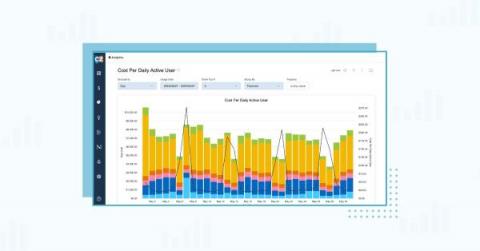
CloudZero Launches Advanced Analytics For Deeper Visibility And Savings Insights

We built CloudZero for a simple reason: Bring business fundamentals to cloud-driven organizations without stifling innovation. It sounds simple, but for years, the intrinsic complexities of the cloud and extrinsic pressures to grab SaaS market share made it near-impossible for businesses to achieve this. Until CloudZero.
The Road Ahead: 4 Ways AIOps Will Build More Resilient IT Operations

This article is the final installment in a 4-part series on leveraging artificial intelligence and machine learning (ML) for IT operations (AIOps) to provide a more efficient, reliable, agile, cost-effective, and optimized IT infrastructure. Just as our roads and highways evolve overtime to meet the demands of the travelers who use them, AIOps will continue to transform how organizations build, use, and manage their infrastructures.

Benefits and challenges of containerization for IT operations

Your IT teams are critical to improving the efficiency of your operations and ensuring long-term business scalability. But as your organization grows and demands become more complex, the challenges of managing IT operations can become difficult, especially when managing multiple applications across various server environments. Containerization has become a popular solution for some of these challenges.

How a connected ecosystem can drive growth and lower costs

It’s an exciting time to be a service provider. The shift in enterprise digital buying preferences to everything as a service has opened vast opportunities to strengthen customer relationships and create new revenue streams in such things as robotics, autonomous fleets, analytics, drone-based inspection, and remote telemetry. A connected ecosystem can help you seize these opportunities, accelerate innovation, and grow revenue while reducing the cost to serve.

Exploring distributed vs centralized incident command models

Recently in our Better Incidents Slack channel, there’s been some chatter around how people structure dedicated incident commanders at their company: distributed or centralized. The way I see it, there are two types of commanders: the temporary, distributed role — a hat that an on-call engineer or an engineering manager puts on during an incident. Then there’s the centralized, full-time role, where someone is the designated incident commander (or one of a few) for all incidents.

BigPanda's Resources for Navigating Change Through the AI Revolution

AI has revolutionized the way we engage online in 2023. From Chat GPT and AI Art Generators to healthcare, finance, and business, you can hardly read the news without reading the latest proclamation of how AI is poised to change every aspect of our lives. AI has brought fundamental changes to how we live and work, and we’re still scrambling to understand the impacts of these changes. Especially where their work is concerned, change can be difficult for people to embrace.

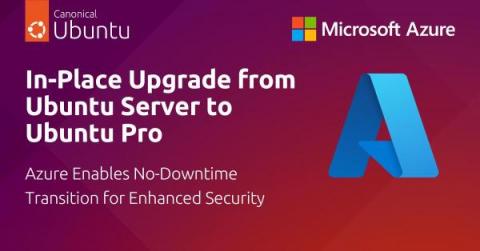
Announcing In-Place Upgrade from Ubuntu Server to Ubuntu Pro on Azure

We are pleased to share that Azure is now offering an in-place upgrade from Ubuntu Server to Ubuntu Pro. This functionality, made possible through our strategic partnership with Azure, provides a straightforward way to leverage the advanced features and extended security maintenance of Ubuntu Pro, all without redeploying your Virtual Machine (VM) or scheduling a maintenance window.

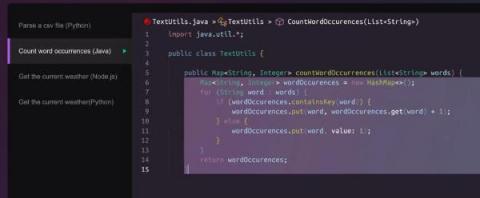
Ship faster by integrating AI into your Bitbucket workflow

AI tools have taken the world by storm. In April, we announced Atlassian Intelligence to bring the power of AI into our tools. Leveraging AI through internal models and our collaboration with OpenAI, Atlassian Intelligence will be built into the Atlassian suite of tools, including Bitbucket Cloud.

What's missing from your incident management workflow

The first fifteen minutes of an incident set the tone for the rest of the resolution process. But what makes the difference between a rapid response and a stressful scramble—clear ownership—hasn't always been easy to ascertain. In this article, we’ll cover how Cortex, an internal developer portal, can be your team’s source of truth to accelerate the incident management process, and reduce MTTR.