Operations | Monitoring | ITSM | DevOps | Cloud

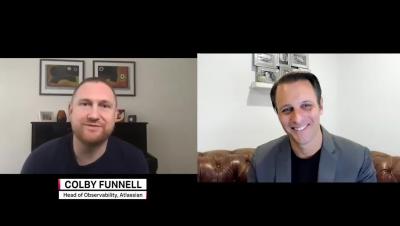
Atlassian: Accelerating Observability in the Data Age

Atlassian, a leading provider of team collaboration and productivity software, aims to merge the analytics and observability space to deliver consistent, reliable experiences to customers. See how Atlassian manages its DevOps environment to drive business transformation. Colby Funnell, Head of Observability, also shares the company’s vision for OpenTelemetry.

Static checking of CFEngine code

Software quality has been a topic and an area of interest since the dawn of software itself. And as software evolved so did the techniques and approaches to assuring its high quality. Better computers providing more computing power, bigger storage and faster communication have allowed software developers to detect issues in their code sooner and faster.

Preventing Kubernetes misconfigurations and deprecations with Datree

Join Datree’s Shimon Tolts and Civo’s Kunal Kushwaha and as they talk about preventing Kubernetes misconfigurations and deprecations. Shimon walks through why you should automate your Kubernetes cluster upgrades and scan for deprecations regularly, and ultimately, how to do this easily with open source tooling. Kunal focuses on minimizing Kubernetes misconfigurations that can cause clusters to fail in production with Datree. Including setup and installation of the tool, some of the key features, policy management, tokens, and more.

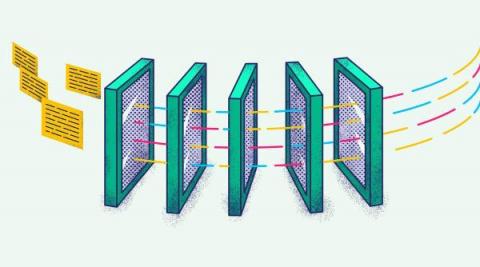
What is eBPF and Why is it Important for Observability?

Observability is one of the most popular topics in technology at the moment, and that isn’t showing any sign of changing soon. Agentless log collection, automated analysis, and machine learning insights are all features and tools that organizations are investigating to optimize their systems’ observability. However, there is a new kid on the block that has been gaining traction at conferences and online: the Extended Berkeley Packet Filter, or eBPF. So, what is eBPF?

Understanding the Role of a Data Steward

Many years ago, in my earliest IT jobs in Omaha, Nebraska, I realized the field of data was going to continue to evolve and, as such, there would always be a need for people who worked with and understood data. Regardless of which industry someone worked in—financial, medical, governmental, transportation, or retail—someone would have to work with and maintain business data, or the business would fail. This realization led me into the world of databases and SQL Server.