Online cloud storage has taken over the world. Anyone working with computers is familiar with at least one cloud service, and the field is packed with competitors, all offering virtually the same thing. Cloud storage lets users save files from anywhere and access them anywhere. Internxt doesn’t bring any new revolutionary features to the cloud storage world, but it revolutionizes how it works. With Internxt, it’s less what it does and more how it does it.
In the analytics domain, fast and reliable storage is an important aspect for businesses to handle a large amount of data. There are different types of data storage including RDBMS, NoSQL, data lake, data warehouse, and graph database. Among these, the most widely used is RDBMS that powers various systems and applications of companies of all sizes. RDBMS is easy to use and straightforward to understand thanks to its table-based (or column-based) data format.
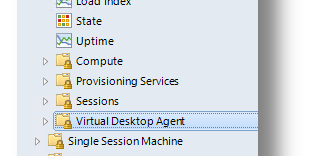
The Load Capacity Usage percentage, or Load Evaluator Index, for a Citrix Virtual Apps and Desktops or DaaS multi session machine delivery group, represents the percentage of resources allocated to that delivery group, that is in use by virtual desktop or application sessions. It is the ratio between the sum of all measured Load Indexes, and the sum of all maximum Load Indexes for the multi session machines in the delivery group. A Load Index represents the load on a multi session machine.
Earlier this year, StackState was named a Market Leader in the “2022 Research in Action (RIA) Vendor Selection Matrix (VSM) for Observability.” This is great recognition of the innovative path that we are on. We have focused on topology-powered observability, supported by our unique 4T® Data Model.
Let’s start with a simple but harsh fact: If you say you’re protecting your customers’ networks and you’re not managing their Apple devices, then you’re lying to them and yourself! Over the years hackers have targeted everything from HVAC machines (Target) to fish tank thermometers (an unnamed Las Vegas casino) and a whole host of devices in between in order to prise their way into company networks. Let’s stop for a minute to consider that fact.
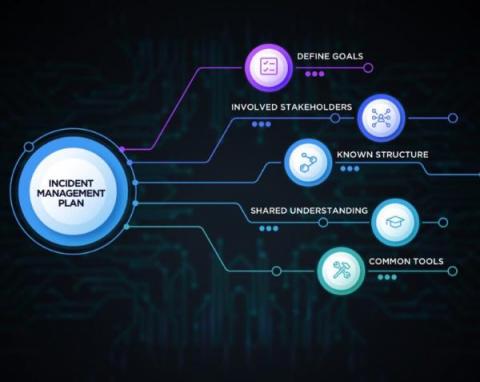
In a perfect world, technology stays on and runs flawlessly. But we all know this isn't the case. Like any organization, xMatters sometimes experiences unplanned incidents. What we can control is how we respond to them. To resolve incidents quickly, it's important to coordinate an organized response.