
Occupational Safety Tech: How Modern IoT and Sensors Are Preventing Future Worksite Toxins
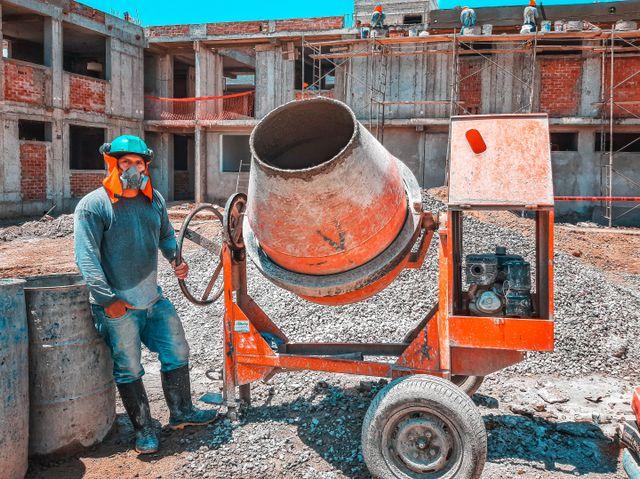
Chemicals lurk in industrial air unnoticed until someone gets sick. According to estimates from the International Labour Organization, over one billion workers face hazardous substance exposure globally every year.
For decades, monitoring factory air meant clipboards, periodic lab tests, and retroactive health reviews. If a toxic leak happened between routine checks, bad luck. Workers simply inhaled poison until someone noticed the smell or started coughing. Modern workplaces are starting to use Internet of Things (IoT) technology, connected sensors, and artificial intelligence to identify potential hazards before they become serious problems.
Real-Time Sensors Are Changing Workplace Monitoring
Traditional workplace air-quality assessments often rely on scheduled inspections and samples sent to laboratories. These methods remain important, but they may not show how conditions change throughout an entire working day.
IoT sensors offer another approach. Installed in work areas or incorporated into portable monitoring equipment, these devices can measure environmental conditions such as:
- Carbon monoxide and other hazardous gases
- Airborne dust and particulate matter
- Temperature and humidity
- Oxygen levels
- Certain chemical vapours
When readings exceed configured safety thresholds, the system can send alerts to supervisors or safety personnel. Some systems also record changes over time, helping employers identify when and where exposure risks increase.
Edge AI Predicts Failures Before They Leaks Occur
Sensors do more than just scream when gas leaks out. Coupled with edge artificial intelligence, they predict leaks before pipes rupture. Vibration sensors placed on chemical storage pumps pick up minute balance changes. Thermal cameras scan high-pressure valves for heat blooms signaling structural strain. The system cross-references pressure drops with ambient humidity spikes and alerts maintenance to swap out a degraded seal before it fails.
Wearables Track the Human Side
New biometric wearables track heart rates, core temperatures, and perspiration chemistry in hot, hazardous environments like chemical refineries or smelters. If a worker inhales subtle trace toxins, their body reacts even if they feel okay initially. Biometric shifts flag fatigue, respiratory distress, or thermal stress instantly.
A crew member working in a confined space doesn't have to self-report feeling dizzy. Their watch tells the shift manager that heat index and metabolic markers hit dangerous zones, forcing a mandated break.
Better Monitoring Matters for Long-Term Toxic Exposure
Not every workplace hazard produces immediate symptoms. Asbestos is a clear example; it was historically used in construction materials, insulation, and industrial equipment, and can release microscopic fibres when disturbed.
Exposure can cause serious diseases, including mesothelioma, which may develop decades after exposure. Modern sensors can monitor certain airborne particles and environmental conditions, but ordinary dust monitors cannot reliably identify asbestos fibres. Suspected asbestos-containing materials require appropriate professional assessment and specialised testing.
Technology should never create a false sense of security. In the United States, workers and families affected by asbestos-related diseases may need information about their legal options. A Massachusetts Mesothelioma Lawyer can help explain potential legal claims and the options available to people affected by occupational asbestos exposure.
The Hurdles: Data Privacy and Sensor Drift
Sensors degrade and drift out of calibration when exposed to harsh industrial environments continuously. A faulty sensor that reads "zero toxins" when hydrogen sulfide is present is deadlier than no sensor at all. Facilities must maintain rigorous physical calibration schedules.
There’s also a human element to consider. Workers dislike being tracked, and wearing connected gear raises immediate concerns about employer surveillance, location monitoring, and biometric data misuse. If companies use safety tech to micromanage worker breaks or rate individual speed, workers leave smart vests on charging racks.
Endnote
We cannot remove every hazardous chemical from modern manufacturing overnight. We still need solvents, heavy metals, and industrial gases to build the infrastructure of modern life.
However, we can end the era where workers unknowingly sacrifice their lungs for a paycheck. By weaving real-time IoT monitoring directly into the fabric of daily operations, industries can stop toxic exposures before they turn into lifelong medical tragedies.