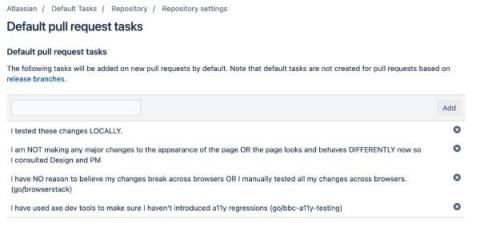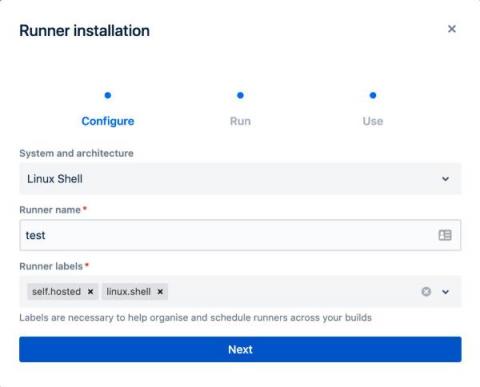
Implemented well, automation can be a powerful tool for accelerating and scaling DevOps processes to keep your team building and shipping code quickly. But knowing what and how to automate DevOps workflows can be challenging; every organization’s DevOps practices are unique, and there’s no one “right” way to approach automation. Let’s look at a few tips for approaching DevOps workflow automation to help your team move faster.
Welcome to the August 2022 edition of Open Source Matters: our regular publication about the latest happenings in open source! Let’s dive into the news.
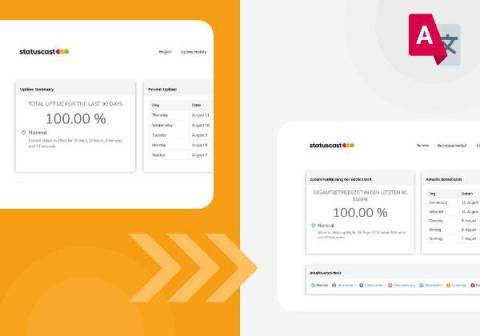
Here at StatusCast we understand the importance of a resourceful and communicative status page. A status page is the ambassador of your incident response management process, and like any good ambassador, it needs to speak the language. If your status page is now hosted by StatusCast, it is now fully integrated with Google Translate, a powerful tool that allows your subscribers and even viewers to translate your page into the language most comfortable to them.
There’s no doubt that the typical modern enterprise generates large amounts of data that must be moved, analyzed, and safely stored. Because much of this data involves the privacy of users and customers, various laws and regulations have been created to drive strong protection practices. While these regulations vary a great deal from country to country, the underlying concept remains the same: keep data safe while making it available to authorized users when they need it.
PagerDuty has an Early Warning System (EWS) model which helps the Customer Success and Sales departments ascertain the wellness of existing PagerDuty customers based on product usage and external business factors. This Early Warning System model has become critical infrastructure and the first line of defense in identifying poor product usage that could result in account churn.