Operations | Monitoring | ITSM | DevOps | Cloud

15 Best Linux Networking Commands and Scripts You Should Know

Both servers and software development use Linux. Today, Linux distributions are used by the vast majority of electronics and embedded systems. Worldwide, Linux servers make up about 90% of all internet servers. Additionally, the Linux kernel is used by around 80% of all smartphones. Today, every system in the world is linked via a network. Information exchange across systems requires network connectivity. Computer networking refers to communication over the internet as well as within a network.
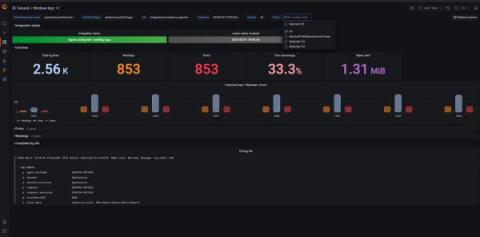

How to monitor Windows logs with the updated Windows integration for Grafana Cloud

As we all know, Windows is one of the most popular operating systems in the world. It has a dominant share in the desktop computer market, with more than 70% of the machines running the operating system. It makes sense, then, that the Windows integration is also one of the most used and popular integrations in Grafana Cloud.

How to identify and map service dependencies

Modern applications are a web of interdependent services. As applications grow in size and complexity, and as more engineering teams adopt service-based architectures like microservices, this web becomes deeper and denser. Eventually, keeping track of the interdependencies between services becomes a complex and time-consuming task in and of itself. In addition, if any of these dependencies fails, it can have cascading impacts on the rest of your services and on the application as a whole.

Launching increased transparency and control for workspace invitations

We are excited to announce some big changes for Bitbucket Cloud invitations. Over the next week we will begin progressively rolling out a new, more intuitive way to invite new members to your workspace with increased management controls and transparency. As part of Atlassian's cloud-first strategy, Bitbucket Cloud is investing in more and more enterprise capabilities to ensure a seamless experience for customers migrating from Server? Cloud.

3 Best Practices When Using Qovery

Qovery provides fast implementation and maintenance of your cloud infrastructure while taking care of end-to-end DevOps tasks. It even manages your Kubernetes clusters for you. It gives developers autonomy because it is effortless and does not need a vast DevOps workforce. With a few clicks, a developer can create a replica of the production environment and deploy their code easily, but where should you start, and with what?

Cloud Native Mastodon powered by Civo

In technology, nothing is static. We need to be open to experimenting with new platforms and avoid getting locked into any one single entity or technological solution. With all the recent events, many people are looking for alternatives where they can post microblogging content like they did on Twitter. Mastodon has recently become significantly more popular due to its decentralised nature and the power of enabling different communities to define themselves.

Securing the Usage of volumeMounts with Kubewarden

Securing a Kubernetes cluster is far from a simple task. How do you know if you have correctly configured volumeMounts in your in-cluster containers? And what about all those workload resources, such as Deployments, Jobs, Pods, etc? Luckily, you can use Kubewarden, an efficient Kubernetes policy engine that runs policies compiled to Wasm. This means you can run powerful specifically-written policies, our reuse existing Rego policies for example.