
Operations | Monitoring | ITSM | DevOps | Cloud

The latest News and Information on Cloud monitoring, security and related technologies.

Autoscaling in Cloud Computing

Autoscaling in cloud computing is the ability of a system to adjust its resources in response to changes in demand automatically. This guarantees that applications always have the resources they need to perform optimally, even during periods of high traffic. Autoscaling eliminates manual intervention, allowing your dev team time to focus on your product. All major cloud providers like AWS, Azure, and Google Cloud Platform offer robust autoscaling solutions with many features and capabilities.

25 Azure Monitoring Tools To Consider For Cloud Optimization

Microsoft Azure is the most popular cloud computing platform after Amazon Web Services (AWS). With over 200 services and resources available, there are plenty of ways to use Azure. This means the Azure public cloud allows hundreds, if not thousands, of unique configurations. This flexibility is ideal for tailoring Azure to your workload’s requirements but also makes cloud management more challenging.

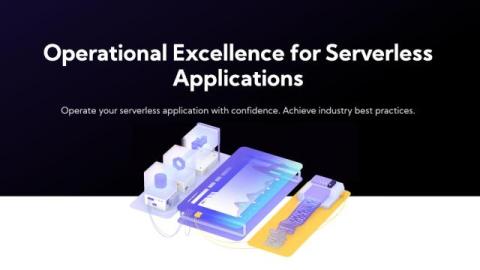
Making serverless applications reliable and bug-free

Building applications using serverless technology on AWS—like AWS Lambda and Amazon API Gateway—can be incredibly powerful. You get to scale effortlessly and focus on writing code without worrying about managing servers. But as your application grows and spreads across hundreds or even thousands of cloud resources, keeping track of errors and fixing issues quickly becomes a big challenge.

Artificial intelligence in healthcare: transforming the practice of medicine

In this episode of the Azure On Air podcast, Mick Badran joins our host to discuss his journey in the integration space and how he's applying AI and integration in the healthcare industry. He dives into the challenges and opportunities of using AI in healthcare and also shares his experiences with building a healthcare startup and working with medical professionals to improve patient outcomes.

How Technology Is Transforming Law Firms for Greater Efficiency

The legal industry has long been known for its traditional approaches and slow adaptation to change. However, technology is increasingly transforming the way law firms operate, making them more efficient and client-focused. From automation tools to virtual meetings, advancements in technology are streamlining workflows, reducing costs, and allowing lawyers to focus more on strategy and client engagement. This article will explore the various ways technology is revolutionizing law firms and enhancing their efficiency.

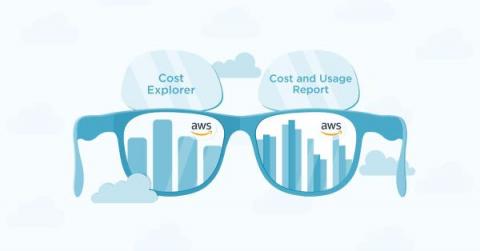
AWS Cost Explorer Vs. Cost And Usage Report: How To Use Each

A major problem led Amazon to introduce Cost Explorer and Cost and Usage Reports. Many Amazon Web Services (AWS) users were overspending on services they couldn’t quite identify. Before the two cloud financial management tools, the AWS public cloud was like a buffet menu without prices. Engineers could use as many cloud resources as possible (and then some), only to be hit with surprise bills at the end of the month or billing cycle.

Comprehensive Observability: Key Availability and Reliability Metrics to Monitor in Cloud Environments

Strong observability in cloud environments is essential for monitoring the health of interconnected systems. Unlike traditional monitoring, which is limited to specific cloud stacks or devices, observability provides comprehensive visibility across the entire hybrid IT infrastructure including applications, IT systems and services.

Moving SharePoint Online Documents to Azure Blob Storage

Managing large volumes of documents in SharePoint Online can become challenging as storage needs grow. With rising storage costs and limits, organizations often look for efficient ways to offload files. One highly scalable and cost-effective solution is moving documents from SharePoint Online to Azure Blob Storage.