Operations | Monitoring | ITSM | DevOps | Cloud

Secure, Smart, Practical

At Almaden, our mission with Collective IQ (CIQ) has been about moving IT from a reactive “firefighting” mode to a proactive, data-driven approach that anticipates impacts to employee productivity. But to build an AI-powered platform that helps other companies work smarter, we have to work smarter ourselves. We also need to deliver responsible solutions which don’t compromise corporate privacy goals.

Why UK Businesses are Shifting Away From the Public Cloud Cost Model

Over the past five years, one of the most consistently tracked figures in the UK business technology sector has been the flight from public cloud. Barclays' 2021 CIO survey revealed that 43% of enterprises plan to shift workloads away from public cloud. By 2024, that had grown to 83%.

From IT Asset Discovery to Automated Action: Closing the IT Operations Loop

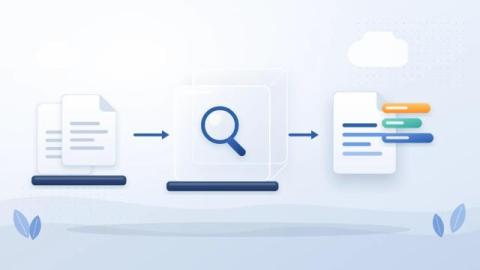
Organizations today invest heavily in discovery tools, expecting that increased visibility will solve their IT challenges. Yet when an incident hits, a patch fails or an audit looms, many teams must pause to reconcile spreadsheets, validate inventories and confirm ownership before they can act. Visibility alone doesn’t close the gap between insight and execution.

Multi-Agent Collaboration on a Shared Canvas

This post was co-written with Staff Software Engineer Martin Holman. Honeycomb Canvas is a collaborative investigation environment. When something goes wrong in production, multiple engineers might join the same Canvas to debug it together. Each person has their own AI agent, so they can pursue their own conversation thread and line of inquiry. This creates an opportunity for coordination.

The future of governing AI agents

How to build governance into autonomous security agents from the architecture up The industry has moved fast on capabilities. Agents now triage alerts, investigate endpoints, create detection rules, and enrich indicators, and they are even capable of performing most actions we as security operators can perform. The architecture patterns are maturing, as are the models, but governance is not keeping pace.

Save the Address, Save the Cloud (KubeVirt VM Migration Story)

Kubernetes is built for containers, and it’s been doing that since it used to run docker as an engine for its containers. But what if you want to add VMs to the mix? After all, containers are ephemeral and don’t require fixed IPs as they shift the identity toward labels, but VMs on the other hand are tied to IP addresses and in some cases MAC addresses. This brings us to this blog about VM migration and IP preservation.

Certificate deployments just got an easy mode

The old deployment flow expected a lot from you. You had to know what format your certificate needed to be in. You had to know where it should be stored on the target system. Then you had to review and customize a deployment script in a code editor before anything ran. It turns out most of you don’t want to do that. And fair enough, staring at a script editor when you just want a certificate on your Exchange server is a little intimidating.

Two Days Away From the Keyboard: Our Team Event Recap

Once a year, the Icinga team goes for a team event somewhere about an hour or two away from the office. This year’s edition landed us at the Adventure Campus in Treuchtlichen, right in the middle of this year’s first heatwave. The heat was unbearable. At one point we gave up on the room we had been using and moved everyone down into a basement meeting room instead. It was quite a bit more retro in style, with an overhead projector, that we had a lot of fun with.

GitLens 18.2: AI-Powered Merge Conflict Resolution for VS Code

Merge conflicts rarely make it into a sprint retrospective, but they should. They’re one of the most reliable ways to lose an hour of flow without anyone noticing it’s gone. Every developer expects them eventually, but almost nobody questions the workflow around resolving them.

How to Hold Your ISP Accountable: Network Monitoring for Schools & Multi-Site Public Institutions

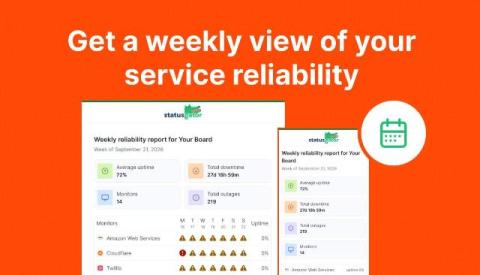
The Internet at one of your school sites slows to a crawl. Teachers can't load their lesson plans. A video call for a virtual class freezes. Your IT team calls the ISP. The ISP runs its own checks and tells you everything looks fine on their end. Sound familiar? This is the core problem every school board and public institution runs into eventually. Your ISP has full visibility into their own network. You don't.