Operations | Monitoring | ITSM | DevOps | Cloud

The latest News and Information on API Development, Management, Monitoring, and related technologies.

The Kubeshark Workflow That Doesn't Stop at the Dashboard

The Observability Gap shows up the moment you try to reproduce a production bug locally. Your traces tell you a request was slow. Your logs tell you which line printed. Neither tells you what was actually on the wire: the headers, the JSON body, the surprise field your client started sending last Tuesday. Until now, closing that gap meant SSHing to a node, attaching a debugger, or shipping a sidecar through change review.

Instant Java Client SDK, no spec required!

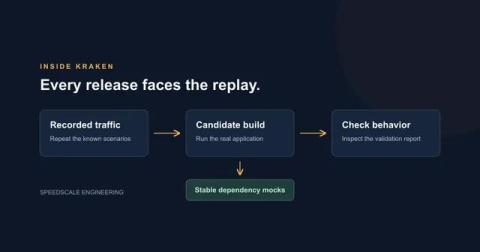
Learn how to generate a client SDK for a production service when you have no documentation, no OpenAPI spec, and no remaining team knowledge of the original Ruby code. This demo shows you how to capture real production data from a running app and transform it into a functional Java client library in minutes. Visit proxymock.io OR speedscale.com to learn more.

WireMock alternatives: pick the one that fits your problem

Picture this. You’re standing up a new service. Cursor or Claude Code wrote most of the controller, and it calls a payment API your team doesn’t own. Now you need tests. The agent is gamely inventing the response shape from whatever OpenAPI doc you fed it (which is a year stale), and the WireMock stubs it just generated are guesses dressed up as JSON. Three weeks later production breaks, the test suite was green the whole time, and nobody knows where to start looking.

The Checkly Playwright Reporter: Live Demo, Rocky AI RCA & Production Monitoring

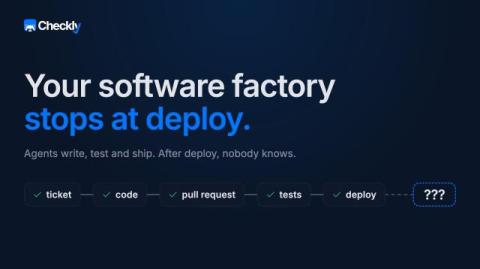
Your Playwright tests catch bugs. The hard part is figuring out what actually broke — and sharing that context with your team. This session shows exactly how the Checkly Playwright Reporter solves that: one shared home for all your test runs, AI-powered root cause analysis, and a direct path from failing test to production monitor. María de Antón, PM for Playwright features at Checkly, runs a live demo on a real app with real failures.

How to Set Up an API Server

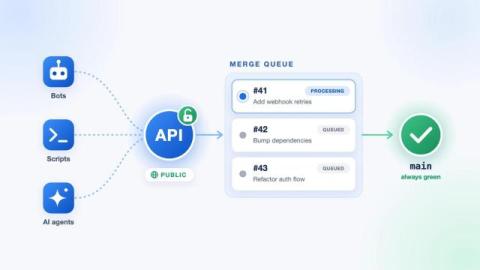
NinjaOne Field CTO Jeff Hunter shows how to set up an API server. An API server is a framework for securely integrating data from other services into NinjaOne. One example (and next week's video) would be retrieving current CVE data from a third-party vulnerability scanner and regularly importing that CVE data into NinjaOne for visibility and remediation. Chapter Markers.