Automation is like running a marathon. It sounds like a great and noble pursuit until you actually go out and start pursuing it. At that point, it's easy to fail if you don't prepare yourself ahead of time for the challenges that are inherent to the process. Indeed, although automation can provide a number of awesome benefits, whether you actually reap those benefits depends on how easy it is to implement and manage automation tools. And, as many teams discover, doing these things may be harder than it often seems.
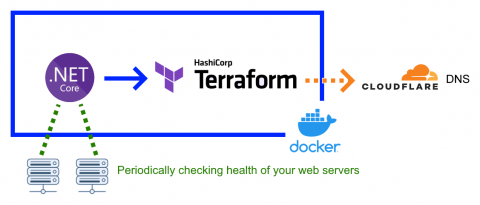
We created experimental Docker image which tries to ensure high availability of your web service by dynamically refreshing Cloudflare DNS with healthy endpoints.
World-class incident responders are a strategic asset in today’s world where the frequency and sophistication of cyber security attacks continue to increase every year, as do the associated financial damages: As such, more and more organizations are looking to grow their cyber incident response expertise, both with inhouse staff as well as by engaging with third-party experts.
We've all done it: "that'll be simple, I'll just write a quick script and..." In the case of calculating on-call pay, we really have done it before: our team have built the on-call pay scripts for several companies, and each attempt was a painful, error prone process. While we believe everyone on-call should be paid for their inconvenience, relying on someones side-project or back-of-napkin maths to calculate pay leads to mistakes, frustration, and wasted time.
In a post COVID landscape, the business world is increasingly focusing its attention towards task automation and digital first processes to allow them to save time, money and valuable business resources. As one of the key technology trends of 2022, hyperautomation is quickly becoming the main way organizations are achieving these goals.
Since the number of malware attacks continues to rise every year, effective patch management is more important now than ever before. In fact, a recent Market Data Forecast report on the patch management industry claims that “the global patch management market size is forecasted to grow USD 1084 million by 2027 from USD 652 million in 2022, growing at a CAGR of 10.7% between 2022 and 2027.” Learn more about patch management and its multiple benefits in this overview.
The last few years have brought immense change in telco technology adoption trends, with the introduction of 5G, artificial intelligence (AI), the internet of things (IoT), cloud computing, and mobile edge computing.