The science behind APM - how it works
Monitoring has typically been the remit of small, specialised IT Operations teams but the tools they’ve been given are rarely fit for purpose in today’s demanding environments.


The latest News and Information on Application Performance Monitoring and related technologies.
Monitoring has typically been the remit of small, specialised IT Operations teams but the tools they’ve been given are rarely fit for purpose in today’s demanding environments.
Great News to the PHP users. Pinpoint PHP-agent is open. Visit our Pinpoint-PHP-Agent repository(https://github.com/naver/pinpoint-c-agent) for more information. Additionally, Pinpoint-NodeJS-Agent project is going to start soon.
Application Performance Management (APM) tools are hot right now - so much so that it won't be long before APM reaches the same level of notoriety as the cloud, the IoT, and a personal favourite - big data.
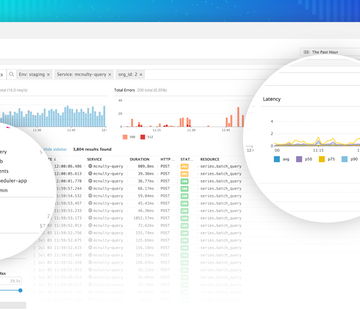
Distributed tracing provides a detailed view into application performance. Each trace shows you how an individual request was executed in your app: which user did what, which services were involved, how long it took, and whether the request executed successfully. Capturing that level of detail across hundreds or thousands of services provides a vast trove of information for troubleshooting and performance optimization, but it’s not always easy to find the exact trace events you need.
You’ve delivered your product, application, or website. You’re seeing some traffic and even some conversions. But something is holding you back. Could it be speed? In today’s world of limited patience and shortened attention spans, you have to make sure that you’re giving your customers the enjoyable experience they need to stick around.
In today’s digital economy, speed is everything. Especially for applications and websites accessed by end users, when there is slowness, it will have a direct detrimental impact on business productivity, profits and even the brand itself. If an ecommerce application loads slowly or experiences errors, it will translate into loss of business, and the customer might end up switching to another website – possibly your competitor.