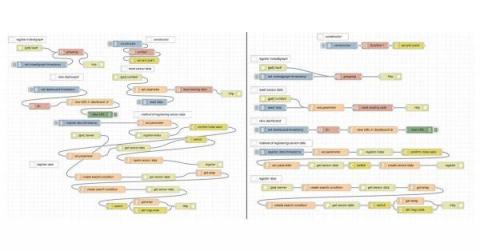
Built on the V8 JavaScript engine of Chrome, Node.js is a very lightweight, open-source framework with minimum modules. And since it is an asynchronous system by default, it is faster than most other frameworks. DevOps still need Node.js monitoring to ensure performance better than other frameworks. In order to understand how relevant Node.js still is, note that PayPal, Reddit, LinkedIn, Amazon, Netflix and other high-use, high-visibility service providers use the framework.
In one of our preceding blogs, we spoke about Software-Defined Networking (SDN) and the key drivers behind it. Virtualisation is one of the fundamental aspects that characterises SDN, and has influenced the architecture of network switching in the data centre. OVS (Open vSwitch) is a fundamental component of modern and open data centre SDNs, where it aggregates all the virtual machines at the server hypervisor layer.
This is the second part of the two-part blog series covering embedded Linux systems and the challenges brought about by the proliferation of Internet of Things (IoT) devices. In Part I, we surveyed the embedded ecosystem and the role Linux plays within that space. This blog takes you on the next step in the journey, where we explore the most demanding challenges facing manufacturers of tightly embedded IoT devices.
Achieving full, 360-degree observability across your entire IT ecosystem and application components can be thwarted by the disconnect between technical monitoring and business outcomes - running the risk of catastrophic service failures.
The NiCE VMware Management Pack 5.4 is an enterprise-ready Microsoft SCOM add-on for advanced VMware vSphere and ESXi monitoring. It supports the VMware administrator in centralized vSphere and ESXi health and performance monitoring to improve user experience and business results. The new NiCE VMware Management Pack 5.4 comes with new features, such as extensive vSAN monitoring options, vCenter Service monitoring, Snapshot management, Datastore Provision monitoring, as well as Certificate tracking.
The digital revolution forced every organization to reinvent itself, or at least rethink how it goes about doing business. Most large companies have invested substantial cash in what is generally labelled “digital transformation.” While those investments are projected to top $6.8 trillion by 2023, they’re often made without seeing clear benefits or ROI.