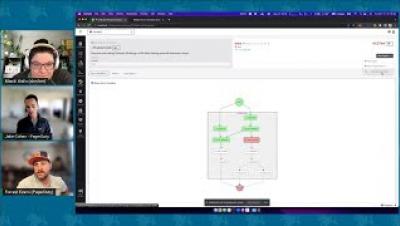
This is the second piece in a series about automated diagnostics, a common use case for the PagerDuty Process Automation portfolio. In the last piece, we talked about the basics around automated diagnostics and how teams can use the solution to reduce escalations to specialists and empower responders to take action faster. In this blog, we’re going to talk about some basic diagnostics examples for components that are most relevant to our users.
“Customer service software has evolved so much these past ten years, but they all seem to be solving the same problems!” This was a statement made by a Customer Service leader in a recent brainstorming conversation around decreasing overall Response Times and Resolution Times.
2020 revolutionized how we work. Many went from full-time office work to 100% remote overnight. And now that in-office is once again on the horizon, companies are thinking of ways to continue to work flexibly. However, this comes with increased challenges, and a need for tools that match this working style. The PagerDuty mobile application is well recognized, with a 4.8 stars rating on the App Store and Google Play.
The past few years have led to fundamental business and cultural shifts for both companies and employees. Covid-19 has brought opportunities for companies who invested early in digital operations, while others struggled to maintain the status quo. The latter gave rise to record employee burnout, and what is now commonly referred to as the Great Resignation.
Having a reliable power source is something many of us take for granted. It is particularly important for healthcare facilities to have a consistent, reliable power source to ensure that vulnerable patients – specifically those who rely on electricity to sustain their lives – are not disrupted. In rural Sub-Saharan Africa, however, it’s estimated that only about 28% of hospitals have reliable electricity.