Operations | Monitoring | ITSM | DevOps | Cloud


The latest News and Information on Containers, Kubernetes, Docker and related technologies.


Kubernetes Load Testing: Speedscale vs NeoLoad
How to Manage Staging Environments to Speed Up Your Deployments By 5x
IBM LinuxONE and Sysdig: Building cyber resilient systems in hybrid cloud environments
On September 13, 2022, IBM announced the latest IBM LinuxONE Emperor 4, a highly secured and sustainable Linux-based enterprise server designed for companies of all sizes. Sysdig with IBM LinuxONE provides unified visibility across workloads and cloud infrastructure through a single cloud-native monitoring and security platform.
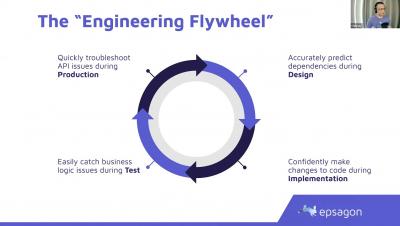
Observability and Resilience in Microservices-based Environments [Komodor + Epsagon Webinar]

Civo Update - September 2022
In August, we announced a brand new tech event, Civo Navigate! This event will bring together the brightest minds in cloud native technology to provide a packed event with over 50 speakers. Civo Navigate is focused on bringing together the cloud native community and creating an environment where everyone can share ideas, collaborate and learn more. If you are interested in joining us in person, register now to get in-person access to all keynote sessions, workshops, and breakout sessions.

Developer Week Cloud Austin: Hit or Miss?
Top Tools to Help Debug Kubernetes Applications
When building cloud-based applications, managing the infrastructure becomes a bigger challenge as you scale. Kubernetes brings order to the chaos, letting you control and automate the containers used to deploy your application. Debugging in the cloud presents further challenges, and the complexities of distributed applications make it hard for many debugging setups to keep pace. Tools designed to run locally aren't effective. However, there are Kubernetes debugging tools that can handle the shift in paradigm. In this article, you'll read about several options that make debugging Kubernetes applications much easier.
What's new in Kubernetes v1.25?
Kubernetes as a project is growing at a rapid pace, resulting in many features being added, deprecated, and removed throughout the process. With the announcement of Kubernetes v1.25, there were a total of 40 enhancements and 2 features being either deprecated or removed. This blog will look at the significant changes coming with the release of Kubernetes v1.25 and how this will impact future use.