The latest News and Information on Containers, Kubernetes, Docker and related technologies.
The Canonical Kubernetes team is delighted to announce that Canonical Kubernetes 1.25 is now generally available, with Charmed Kubernetes joining our Microk8s release last week, following the release of upstream Kubernetes on 23 August. We consistently follow the upstream release cadence to provide our users and customers with the latest improvements and fixes, together with security maintenance and enterprise support for Kubernetes on Ubuntu.
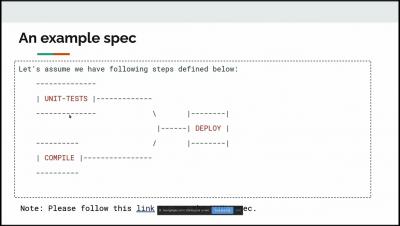
Developers commonly integrate the code and these frequent modifications in a central repository as part of the software development method is known as continuous integration (CI). Improved software quality, faster quality audit and bug fixes, and quick validation and release cycles are all major goals of continuous integration. Continuous Delivery (CD), which builds on top of Continuous Integration(CI), includes automating both builds and the complete software release process.
Many organizations use Kubernetes to orchestrate their containerized applications. But because Kubernetes is complex, application developers may take some time to ramp up on the intricacies of monitoring a Kubernetes environment. This means that teams often need to create internal documentation and offer hands-on training to bridge the knowledge gap.
Software operators are steadily revolutionising how we deploy and run complex distributed systems. They offer the promise of low-intervention, self-driving software – ideally leading to service reliability gains and better uptime. For an introduction to Kubernetes operators, check out our introductory webinar or download our guide to Kubernetes operators.
Hello, I’m Callum. I work on Grafana Loki, including the hosted Grafana Cloud Logs offering. Grafana Loki is a distributed multi-tenant system for storing log data — ingestion, querying, all that fun stuff. It also powers Grafana Cloud Logs.