Operations | Monitoring | ITSM | DevOps | Cloud

The latest News and Information on Containers, Kubernetes, Docker and related technologies.

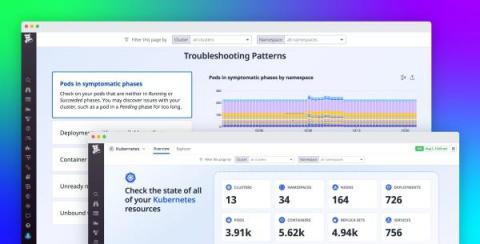
Introducing Kubernetes control plane metrics in GKE

An essential aspect of operating any application is the ability to observe the health and performance of that application and of the underlying infrastructure to quickly resolve issues as they arise. Google Kubernetes Engine (GKE) already provides audit logs, operational logs, and metrics along with out-of-the-box dashboards and automatic error reporting to facilitate running reliable applications at scale.

D2iQ Kubernetes Platform and Amazon EKS: Better Together

Amazon Web Services (AWS) Elastic Kubernetes Service (EKS) offers a great foundation to build cloud-native applications by minimizing the expertise needed to operate Kubernetes. However, production-grade enterprise platforms require more than Kubernetes and need to be augmented with additional capabilities to meet requirements. These additional services can be added easily by D2iQ, which is a close AWS partner.

Deploy a Dockerized Laravel application

As web applications become more complex, software engineering teams must rely on many different products and services to create the best developer experience. The application development ecosystem has grown beyond version control and hosting deployment. Manually managing the deployment of new features across all services can create a serious bottleneck in the software development lifecycle. It also introduces the risk of human error.

Customizing and Securing Your Epinio Installation

As I’ve written about before, Epinio is built to be very flexible. In this blog, I will highlight several places we can hook into the rest of your existing infrastructure to give you a better experience. If you’re new to Epinio, it’s the application development engine for Kubernetes that lets you to go from code to URL in one step.

Tech Story: Papershift x Qovery Infrastructure Scaling Made Easy

A few days ago, I chatted with Florian Suchan (CTO and Co-Founder at Papershift) about their journey to easy infrastructure autoscaling. As you will see in the article, they tried a wide range of solutions before finding the right fit; if you feel you’re going through the same journey, this article is for you!

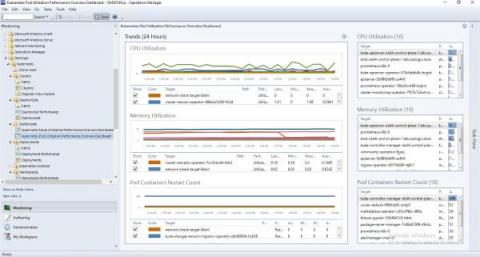
Top 15 Key Categories of Monitoring Metrics in Kubernetes and OpenShift Environments

Over the last couple of years, Kubernetes (often called K8s) has become the most popular and well-known container orchestration system for automating application deployment, scaling, and management. Scheduling containers at scale in a cloud-native ecosystem is central to the technology. Kubernetes itself is an open-source project, and as such presents challenges for many enterprises especially in regulated industries with strong security requirements and formal SLA commitments.

7 Common Kubernetes Pitfalls

Kubernetes is the industry's most popular open-source platform for container orchestration. It helps you automate many tasks related to container management. Companies use it to solve their problems related to deployment, scalability, testing, management, etc. However, Kubernetes is complex and requires a steep learning curve. In this article, we will go through some common Kubernetes pitfalls most companies fall to.