Operations | Monitoring | ITSM | DevOps | Cloud

Laying the foundations for a healthier digital future in the NHS

At the end of 2021, we published a blog post about the Autumn budget in the UK, what it meant for IT teams in the NHS, and why data management should be prioritised. We looked specifically at four key areas for sharing, monitoring, protecting, and accessing data that we believe are crucial elements of the digital transformation journey. Digital transformation is part of the NHS Long Term Plan, a wide-ranging programme to upgrade technology and digitally-enabled care across the NHS.

DevOps 101: The role of automation in Database DevOps

This is the fifth part in the DevOps 101 series and it’s time to talk about automation. Before we get into it, I just want to recap what DevOps is. Microsoft’s Donovan Brown sums it up nicely in a single sentence: DevOps is the union of people, process, and products to enable continuous delivery of value to our end users. The important thing to remember here is the order in which he talks: people, process, and products. That’s the way DevOps works.

Interrupts in software teams: using unplanned work to your advantage

Interrupts are often seen as a problem that eats away at your team’s productivity, and gets in the way of shipping important things for your customers. It’s often consciously accrued from the tech debt we accept to ship features sooner. However when a team doesn’t have a good strategy for dealing with the consequences of those decisions, the pain is felt much more acutely and much sooner.

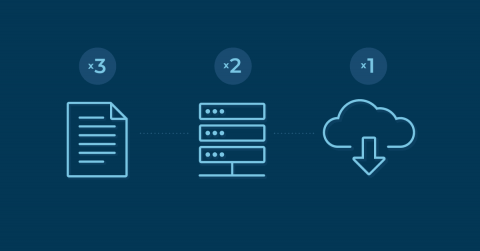
The 3-2-1 Backup Rule Explained

Data disasters are practically inevitable, but a planned out backup strategy can combat their damaging effects. The Cybersecurity and Infrastructure Security Agency (CISA) of the U.S. government is a major organization that recommends sticking to a 3-2-1 backup strategy. Follow the 3-2-1 backup rule to ensure that your data is kept safe.

What is an MSP SLA? Everything You Need to Know

As a managed service provider, your success depends largely on the satisfaction of your customers. If they’re happy, they’ll stay with you and recommend you to others. But if they’re not, they’ll take their business elsewhere. Sometimes, some customers are never satisfied no matter how hard you try. Instead, they’re always finding something to complain about, which can be frustrating.

TL;DR Python Client Library

InfluxDB has over a dozen different client libraries to help developers work with time series data in whatever programming language they like best. The Python client library is one of our most popular options. It’s simple to learn, and working with InfluxDB in a language you’re comfortable with helps you get started doing powerful time series analysis quickly.

Top Tips for NodeJS and Debugging on AWS Lambda (Part 2)

This is the second post in a 2 part blog series on debugging, monitoring and tracing NodeJS Lambda applications. If you haven’t yet seen part 1, check it out here (it’s a great read!) Now let’s get back into our post with one of the most commonly experienced issues when it comes to Lambda functions, Cold Starts.