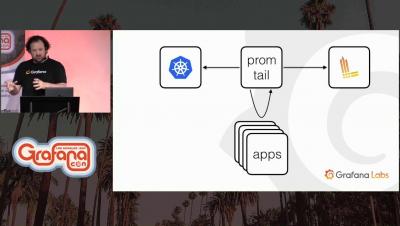
Grafana Project Update & What's New in v6.0
Learn about the newest features of Grafana v6.0 including Grafana Loki, Prometheus-inspired, open source logging in Grafana, the new explore workflow, new cloud data sources and more!


It doesn’t matter what industry you’re in — there’s more data at your fingertips than ever before. And with that data comes an opportunity to make informed decisions that will take your business to new heights. For marketing alone, becoming best-in-class at data analytics can help you generate 20 percent more revenue than your competitors. Those benefits increase exponentially when you bring data-driven decision-making to every aspect of your business.
As Elasticsearch is gradually becoming the standard for textual data indexing (specifically log data) more companies struggle to scale their ELK stack. We decided to pick up the glove and create a series of posts to help you tackle the most common Elasticsearch performance and functional issues. This post will help you in understanding and solving one of the most frustrating Elasticsearch issues – Mapping exceptions.