Operations | Monitoring | ITSM | DevOps | Cloud

The latest News and Information on DevOps, CI/CD, Automation and related technologies.

Monthly Recap: August 2024 + Looking Ahead to September

August has been an outstanding month for the Cycle team, marked by significant advancements across the platform. We've introduced new features aimed at simplifying workflows and enhancing user experience. As we wrap up August and look ahead to September, we're excited to share the progress we've made and what you can expect in the coming weeks.


Create an EKS Cluster with Ubuntu Pro Using eksctl

Setting up an EKS cluster with Ubuntu Pro has never been easier, thanks to eksctl. In this brief tutorial, we'll walk you through the simplest way to create an EKS cluster with Ubuntu Pro, using the latest version of eksctl. Why choose Ubuntu Pro? Ubuntu Pro on EKS provides enhanced security features tailored for your enterprise needs. From Kernel Livepatch, which keeps your kernel secure without requiring node reboots, to ESM-Apps, ensuring your containers run with fully supported open-source software from Ubuntu's repositories—all backed by Canonical's active security maintenance.

The Impact of Technology on Kubernetes Consulting Service Trends

The internet is used for almost everything nowadays, from sending and receiving messages to transferring money between bank accounts. With more and more people using the internet, there is greater demand for web applications. Kubernetes is an open-source platform that helps with deploying, scaling, and the management of web applications. As a platform, Kubernetes can be confusing for beginners to master. Because of this, consultancy firms have established themselves as authorities and can help businesses use Kubernetes. This post intends to tell you how modern technology has influenced Kubernetes consultancy trends.

Understanding Modern Development Environments: A Complete Guide

A development environment is a crucial setup of tools, configurations, and processes that developers use to build, test, and deploy software. Whether it’s a local setup on a developer’s local machine or a remote cloud-based solution, a development environment’s primary goal is to provide a seamless space where code can be written, tested, and executed efficiently. It’s never been more important to have a streamlined setup of cloud and development environments.

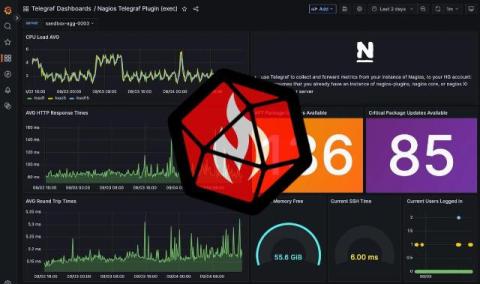
Guide to Monitoring Nagios Plugins Using Telegraf

Nagios is an open-source monitoring system used to track the performance and health of IT infrastructure, including servers, network devices, applications, and services. It is widely used because of its ability to provide real-time alerts, identify issues before they become critical, and ensure uptime by detecting and addressing system failures promptly. Monitoring Nagios plugins on a more robust platform allows for better scalability, deeper analytics, and long-term storage of performance data.

What is the Cyber Resilience Act?

The Cyber Resilience Act is an upcoming European Union legislation that aims to implement more rigorous cybersecurity commitments, documentation, and vulnerability reporting requirements for the IT industry. The legislation would apply to developers, distributors, manufacturers and retailers of hardware, devices, software, applications, and other “products with digitally connected elements” sold within the EU. The requirements you need to meet depend on the CRA classification of products.