Operations | Monitoring | ITSM | DevOps | Cloud

The latest News and Information on Managed Service Providers and related technologies.

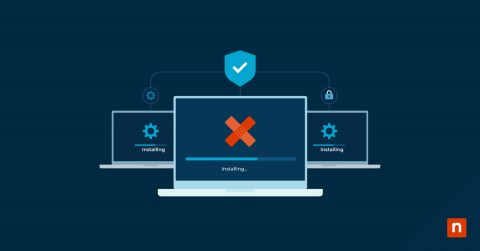
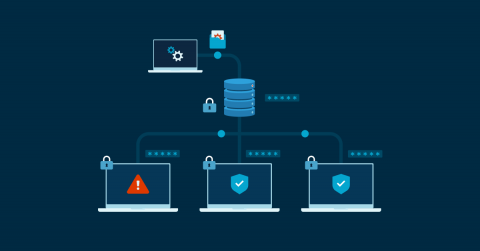
N-central Patch Monitoring Best Practices and Recommendations

The best part about patching in N-able N-central is the ability to fully automate the process, but even if that is accomplished correctly there is still a need to have the right amount of sensitivity of patch monitoring in place. I have always monitored patches in terms of age, I did so with WSUS v3 (15 years ago) and have always done so in N-central.

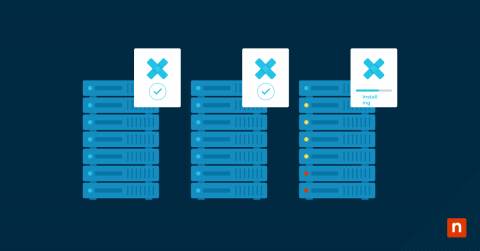
Outlook Zero-Day (CVE-2023-23397) Fix for N-central and N-sight

As you likely be all too aware, there is a Microsoft Outlook zero-day vulnerability listed under CVE-2023-23397. With the increased attacks on Outlook this month, Microsoft has pushed out fixes for about 80 Windows flaws. More information on some of those patches can be found in my colleague Lewis Pope’s March 2023 Patch Tuesday blog. Lewis was also kind enough to send over the remediation script for both N-able N-central and N-able N-sight.

Why You Should Utilize the SNMP Monitoring Tools in N-central

Network device monitoring is a crucial aspect of IT management and it helps organizations to ensure that their network infrastructure is running smoothly. Many people that use RMM solutions will often use an additional application to monitor their network devices. However, one of the huge benefits of using N-able N-central as your RMM solution is the way it allows you to monitor network devices through Simple Network Management Protocol (SNMP).

What is Penetration Testing?

Penetration Testing -- also known as “pentesting” -- are used by cybersecurity professionals and managed service providers to identify vulnerabilities present in a system before a cybersecurity incident takes place. You will often come across clients asking you to perform penetration testing, especially as emerging government regulations begin to make the practice mandatory.

What is SOAR (Security, Orchestration, Automation, and Response)?

As a managed service provider, you know that cyberthreats are increasing in frequency, sophistication, and impact. In recent years, we have seen a dramatic increase in the number of cyber-attacks targeting businesses, governments, and individuals. This explosion of cyberthreats highlights the need for businesses and individuals to take cybersecurity seriously and implement modernized security measures to protect themselves against these threats.

Top 6 Cybersecurity Best Practices for MSPs and Enterprises

MSPs own and process large amounts of sensitive data and act as gateways to the sensitive data and infrastructure of their clients, which is why cybercriminals view them as good potential targets. To adequately protect this sensitive data from today’s sophisticated attacks, it is crucial that MSPs leverage cybersecurity best practices to ensure the safety and security of their own systems and their customers’ systems.

Weathering the IT Storm

The tech world has been on a rollercoaster since the COVID-19 pandemic. During the large-scale shift to remote work throughout 2020-21, big tech firms invested heavily in talent and infrastructure and there was plenty of growth in the IT space. Since the second half of 2022, however, high inflation, big tech layoffs, and the threat of an economic recession have organizations focused more on remaining cost-effective than investing in growth.

PSA vs. RMM: Which One Do You Need?

Two software solutions that most MSPs cannot live without are known as professional services automation (PSA) and remote monitoring and management (RMM). However, it’s no secret that software solutions are expensive, so does your business really need both? Decide which software you should use after reviewing this comparison of PSA vs. RMM.

What is Digital Transformation? Why You Need it for IT Management

The history of digital transformation can be traced back as early as the 1940s when Dr. Claude Shannon published A Mathematical Theory of Communication, which is the theory behind the creation of the internet. Then addition of the microchip and semiconductor transistor, invented In the 1950s, established the foundation for digital transformation. Since then, the capabilities of machines and digital technology have grown exponentially, and they have fundamentally changed ways our society operates.