Operations | Monitoring | ITSM | DevOps | Cloud

The latest News and Information on DevOps, CI/CD, Automation and related technologies.

How to Connect MongoDB Using Python Connector From Devart to Perform DML Operations

Many Python developers choose MongoDB for its speed, flexibility, and scalability. This NoSQL database adapts to different types of data, letting you build features regardless of data structure complexity. It’s a natural choice for applications that have to store lots of different information, handle constant changes, or manage large volumes of data. From this tutorial, you’ll learn how to connect MongoDB using Python Connector from Devart to create, read, update, and delete data.

How to Use Data Conversion Tasks in SSIS for Accurate Data Handling

SQL Server integration services is a powerful data integration and workflow platform provided by Microsoft. It can be used to automate data extraction, transformation, and other ETL processes. You can use SSIS to export data from various data sources like flat files, database servers, spreadsheets, etc. Due to these capabilities, SQL Server integration services are widely used in building data warehousing, business intelligence, and database migration tasks.

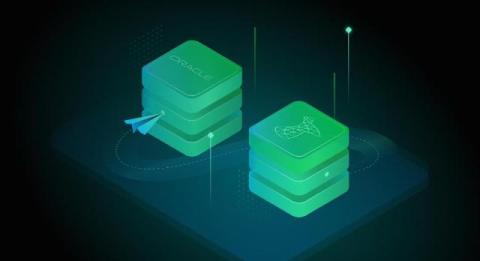
How to Migrate From SQL Server to Oracle

Database migration involves transferring data, schemas, and other database objects from one database system to another. How can you migrate data from SQL Server to Oracle with minimal disruption and maximum efficiency? In this article, we will explore the key reasons why companies might choose to migrate from SQL Server to Oracle and how to tackle migration challenges. Also, we’ll provide step-by-step guides on how to execute this migration using the following tools.

How to Configure a SQL Server Linked Server to Connect to MySQL

Looking for simple ways to connect an SQL Server Linked Server to different data sources, such as an external database, its table, or a particular object in MySQL Server? The Linked Server configuration allows you to query data and use DML functions to access these external sources directly within SQL Server Management Studio (SSMS). With such a configuration, you are no longer required to move or duplicate data between different database systems to overcome OS barriers and complexities.

Inside Perspectives: Database technology - 25 years and beyond

The relational database industry has changed a lot in 25 years. Find out how these changes have impacted the role of a DBA, and the industry as a whole, with Redgate Advocate Kellyn Gorman. Over the past 25 years, the relational database industry has experienced a dramatic transformation. With Oracle, SQL Server, MySQL, and PostgreSQL as foundational technologies, these databases have evolved in response to the emergence of big data, NoSQL, cloud computing, and, most recently, AI.

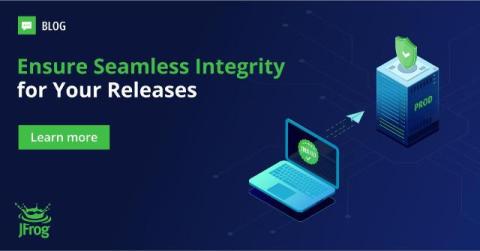
The Power of Evidence Collection and Release Lifecycle Management

The speed of today’s software development lifecycle is only getting faster. However, the complexity of today’s pipelines make it hard to track and manage the processes software releases must go through. With increasing regulatory pressures, ensuring and proving your software has gone through the necessary quality controls is no longer nice to have – it has become a necessity.

Enhancing Your Developer Experience: New SDKs for TypeScript, Go, and Terraform and Improved API Documentation

We built FireHydrant to be the kind of platform we’d want to use as developers, giving you the same tools and flexibility we rely on every day. With over 350 publicly accessible API endpoints, we’ve always believed in giving developers the power to customize and extend our platform to meet their exact needs.

Heroku Vs. AWS: Which Cloud Solution Fits Your Development Needs?

It’s often said that Heroku is ideal for developers who prioritize rapid and straightforward application deployment. Meanwhile, AWS is seen as the ideal choice for applications requiring advanced scalability and intensive performance. Yet, as both platforms have evolved, their offerings have expanded, and some overlaps have emerged, making it more challenging to distinguish their strengths and limitations.