This blog post by Grafana Labs Senior Software Engineer Milan Plžík was originally published on the Kubernetes.io blog on Nov. 16, 2023. There’s been quite a lot of posts suggesting that not using Kubernetes resource limits might be a fairly useful thing (for example, For the Love of God, Stop Using CPU Limits on Kubernetes or Kubernetes: Make your services faster by removing CPU limits ).
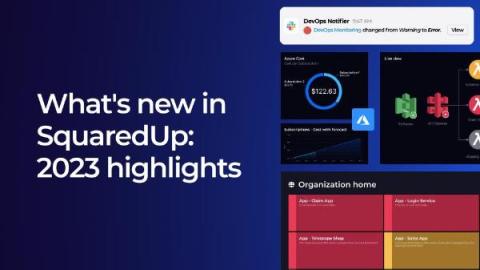
As 2023 draws to a close, we’re celebrating a full year since the release of SquaredUp Cloud – our revolutionary observability portal for product, engineering, and IT teams. In the last six months, we’ve packed in a ton of product improvements, including new visualizations, even more out-of-the-box dashboards, and a fast growing suite of pre-built plugins.
In the dynamic world of IT, traditional network monitoring approaches are no longer sufficient to manage the complexities of today’s networks—be they wired or wireless. To stay ahead of network events, IT administrators must shift from being reactive to adopting a proactive stance. This transition involves a comprehensive approach to network monitoring that includes forecasting future network requirements with the help of machine learning (ML) technology.
Exoprise supports monitoring from inside the firewall and outside the firewall. Every day, we have prospects spin up Synthetic Transaction Monitoring (STM) as part of their free trial to test tenant access and performance from one of the Exoprise public points of presence, which we refer to as public sites.
There is more data available to us than ever. Storing this data is important — but deciding on the right type of data storage solution is not so clear. This article explores two primary types of big data storage: data lakes and data warehouses. We’ll examine the benefits of each, then discuss the key differences between a data lake and a data warehouse, so you can decide on the best approach for your business.
On-call scheduling is tricky. Like, really tricky. It was one of the scariest parts when we decided to build a modern alerting system earlier this year. We knew we couldn't cut any corners on Day One of our release because it needed to be a fully loaded feature for someone to realistically use our product (and replace an incumbent). This meant including windowed restrictions, coverage requests, and simple to complex rotations.
Whether or not you made the journey to this year’s re:Invent, there’s always a variety of great announcements lost amid an action-packed week of keynotes, breakouts, expo hall demos, and networking sessions. No need to worry—we’re always happy to be a big part of the re:Invent experience and share our observations with you.