Operations | Monitoring | ITSM | DevOps | Cloud

AI Orchestrations: Your easy button for proactive operations

This blog post is part of PagerDuty’s ongoing series on how we’re helping customers navigate their journey towards autonomous operations. Read on to learn about how AI Orchestrations builds towards this vision. “We should automate this.” Sound familiar? For many operations teams, that sentence never becomes action. Building event orchestration rules demands deep platform expertise, time no one has, and the ability to spot which patterns in your data actually matter.

PagerDuty agent app in GitHub: incident context where you already work

This blog post is part of PagerDuty’s ongoing series on how we’re helping customers navigate their journey toward autonomous operations. Read on to learn about the PagerDuty agent app in GitHub (Early Access) and how it builds toward this vision. How many tabs do you have open right now? And how many more do you open the moment an incident hits? Context switching during incident response is one of the most persistent sources of toil in engineering.

PagerDuty agent app in GitHub

PagerDuty's agent app shows live incident state, incident history and change correlations inside GitHub so you can get context right within your PR without interrupting your flow. Automatically correlate incident data with recent commits and deployments to identify root causes, then generate fix PRs with proper incident linking.#IncidentResponse.

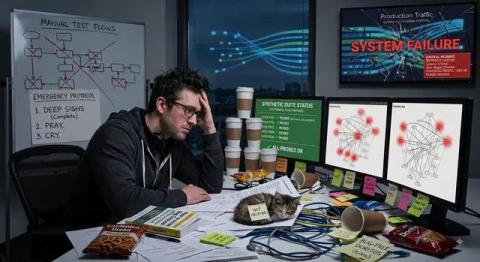
More Resilience, Less Overhead: How to Modernize Disaster Recovery Testing

• Disaster recovery planning is essential for ensuring digital services remain online in the face of catastrophic failures or outages. When a major digital infrastructure outage occurs, systems need to be set up to automatically respond and restore functionality as quickly as possible. But no matter how in-depth your disaster recovery plan is, it’s still only theoretical until it’s thoroughly tested under realistic failure conditions, which is why testing is often mandated by leadership and regulators.

How AI Agents Are Changing Each Agile SDLC Phase

The Agile software development lifecycle was designed to surface problems early, with short sprints, iterative testing, and continuous integration built on the premise that faster feedback loops produce better software. AI coding tools have changed the velocity equation across every phase of that loop, but the phases designed to catch failures are struggling to keep up because build speed and validation capacity have not accelerated at the same rate, and the gap between them is widening with every sprint.