Operations | Monitoring | ITSM | DevOps | Cloud

The latest News and Information on DevOps, CI/CD, Automation and related technologies.

Tracking developer build times to decide if the M3 MacBook is worth upgrading

All incident.io developers are given a MacBook which they use for their development work. That meant when Apple released the M3 MacBook Pros in October, people naturally started asking questions like “wow, how much more productive might I be if my laptop looked that good?” and “perhaps we’d be more secure if our machines were Space Black 🤔” Pete’s (our CTO) response to this was “if you can prove it’s worthwhile, we’ll do it”


Day 0, Day 1, Day 2 Operations: Putting it All Together on Day 2

Following good practices in the Day 0, Day 1, and Day 2 software development lifecycle can help you create a consistent environment that is easier to maintain. In this blog, we will deepen your understanding of how to make Day 2 operations succeed, and how high performing teams put Puppet to work on Day 2 to make a stronger, less manual, software development lifecycle.

Ubuntu Confidential VMs on Azure: Introducing Ephemeral OS disks & vTPMs

As the adoption of confidential computing continues to grow, customers expect their confidential workloads to be strongly separated from their underlying cloud providers. To better align with these user requirements, Canonical is excited to announce ephemeral OS disks for Ubuntu confidential VMs (CVMs) on Microsoft Azure – a new solution that enables you to store disks on your VM’s OS cache disk or temp/resource disk, without needing to save to any remote Azure Storage.

How to troubleshoot unschedulable Pods in Kubernetes

Kubernetes is built to scale, and with managed Kubernetes services, you can deploy a Pod without having to worry about capacity planning at all. So why is it that Pods sometimes become stuck in an "Unschedulable" state? How do you end up with Pods that have been "Pending" for several minutes? In this blog, we'll dig into the reasons Pods fail to schedule. We'll look at why it happens, how to troubleshoot it, and ways you can prevent it.

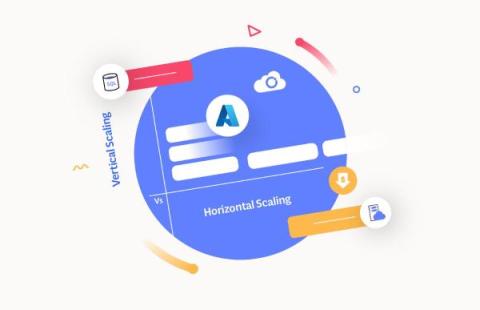
Azure Horizontal vs Vertical Scaling: Which is Right for You?

Scalability in cloud computing refers to the system’s ability to handle changing workloads efficiently. It allows seamless resource adjustments based on demand, optimizing performance, cost, and resource utilization. Key benefits include improved flexibility, cost efficiency, high availability, and enhanced user experience. Scalability is essential for adapting to dynamic business requirements and ensuring the optimal functioning of cloud-based applications and services.

Common Cloud Cost Questions To Expect From Finance (And How To Answer Them)

As an engineer at a SaaS company, it’s your job to build the software products that make your company profitable. Problem-solving is what you love to do, and it’s a wonderful feeling when you can create something that makes a positive difference for your company.

The Debrief: A year in review-2023 at incident.io

What a year 2023 was at incident.io! While it's hard to summarize 365 days into just a few sentences, a handful of moments stood out from this transformative year: So as we close the curtain on a momentous 2023, we sat down with the three co-founders of incident.io—Chris, Stephen, and Pete—to do a bit of reflection on the wild ride that was this year.

What are #submodules in Git? | #shortsvideo

Submodules let you include external repositories within your own main projects. They're a game-changer for managing dependencies, ensuring clean code organization, and collaborating effectively! 💡 With submodules, you can easily integrate external libraries or components into your project while maintaining precise control over versions and updates. 🛠️