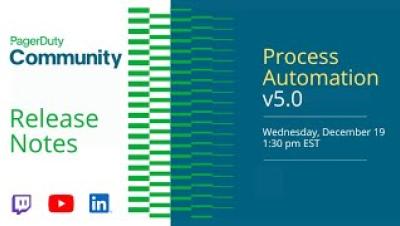
Process Automation Release Notes v5.0
Chat with the PagerDuty Process Automation product management team. Join us to learn more about what's new in the new major release - 5.0 - and what's coming for automation!


The latest News and Information on DevOps, CI/CD, Automation and related technologies.
Whenever you're providing a service to businesses or individuals that they rely on, it's important to make sure that it's up and running as much as possible without disruptions. But the reality is that, despite your best efforts, downtime does happen. Regardless of when incidents strike, whether it’s 2 PM in the middle of the working day or 2 AM, it's important to have people available to diagnose and resolve issues as soon as possible.
Over the last few months, you may have noticed that many of our changelog releases mentioned the release of, and improvements to, Cycle’s native load balancer. While this load balancer still officially remains in beta status, we wanted to begin diving into the details around it a bit more thoroughly: What is it? Why did we build it? How can you use it?
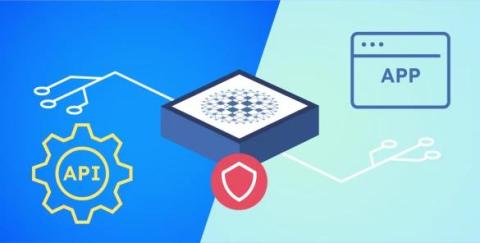
Every day, organizations face external threats as a consequence of exposing their services over the internet. An estimated 2,200+ attacks occur in a 24-hour period—or one attack every 39 seconds. Add the fact that an average data breach (one of many potential consequences of poor security) costs companies $4.45 million, and the need for strong security is impossible to ignore. Web application and API security is key to protecting your infrastructure, data, and users.