The unresolved cost of High Cardinality
Fulfill all your food delivery orders this December 31st by taming High Cardinality data 😉


The latest News and Information on DevOps, CI/CD, Automation and related technologies.
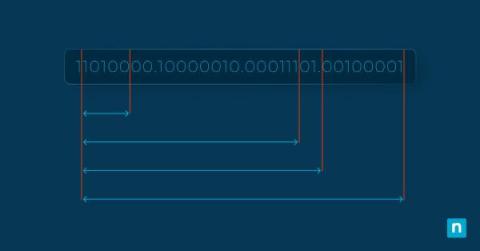
In the early 1990s, as the digital world stood on the cusp of an explosive expansion, the foundational structure of the internet faced a critical challenge: the classful IP addressing system was buckling under its own rigidity and inefficiency. Locked into fixed classes (A, B, and C), this system squandered valuable IP space, leaving the burgeoning network gasping for air as it grappled with rapidly depleting IP addresses.
Monitoring your Docker environment is critical for ensuring optimal performance, security, and reliability of your containerized applications and infrastructure. It helps in maintaining a healthy and efficient environment while allowing for timely interventions and improvements. In general, monitoring any internal services or running process helps you track resource usage (CPU, memory, disk space), allowing for efficient allocation and optimization.
Monitoring the performance of your MySQL database will help identify performance bottlenecks, inefficient queries, and resource-intensive processes. By tracking metrics like query execution times, server load, and resource usage, administrators can optimize configurations and fine-tune the database for better efficiency and speed. Additionally, monitoring any running process allows for the early detection of potential problems such as server overload, disk space shortages, or network issues.
We're pleased to announce incident.io can now be purchased through the AWS Marketplace!
Who could have predicted that 2023 would see such a huge leap forward in Artificial Intelligence (AI)? That this was going to be the year industries decided that, this is the decade, we would solve AI. From the earliest research as far back as the 1940s, we’ve all been holding our breath, wondering when AI will live up to the expectations painted by science fiction writers and futurists. With the arrival of ChatGPT from OpenAI, we’ve been catapulted into the next generation.