N-able Brings Partner Conference Empower 2024 to Frisco
MSPs can re-imagine their growth forward through three days of purpose-built experiences at the Omni PGA Frisco Resort 25-28 March 2024.


Status Pages are critical for effective Incident Management. Just as an ill-structured On-Call Schedule can wreak havoc, ineffective Status Pages can leave customers and stakeholders, adrift, underscoring the need for a meticulous approach. Here are two, Matsuri Japon, a Non-Profit Organization and Sport1, a premier live-stream sports content platform, both integrate Squadcast Status Pages to enhance their incident response strategies discreetly. You may read about them later. Crafting these Status Pages demands precision, offering dynamic updates and collaboration.
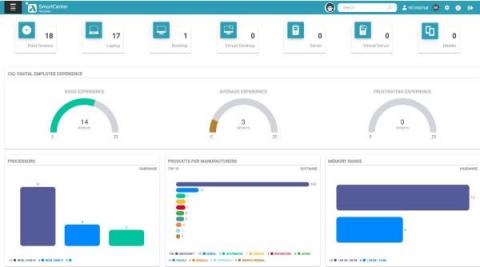
Almaden, Inc's IT Asset Management (ITAM) product, SmartCenter™, now takes advantage of tight integration with Almaden's Collective IQ® (CIQ®) solution, focused on Digital Experience Management. A hallmark of SmartCenter™ is its ability to collect, clearly present, and comprehensively manage device and software details pertaining to a company's IT assets. It helps IT to track assets and their effective usage, plan budgets, troubleshoot employee issues, and more. The intent is to create a smoothly functioning, cost-effective digital environment.
Managecore is a managed service provider (MSP) offering solutions ranging from data center transformation and public cloud services to virtualization and IT managed services. The company wanted to ensure operational transparency for its clients. In doing so, Managecore planned to improve customer service by making it easier for clients to monitor their SAP environments and get real time alerts. Avantra, an automation platform for SAP and non SAP environments, stepped in with its AIOps platform to offer a multitenancy solution to Managecore. Besides automation, Avantra provided a real time SAP monitoring solution.