Operations | Monitoring | ITSM | DevOps | Cloud

Navigating Automation: Uniting Resolve Systems' Framework with TM Forum's Model for Operational Excellence

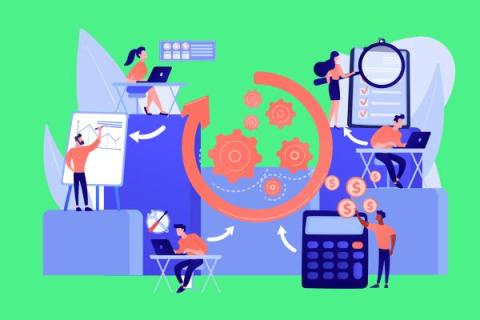
With the possibilities for increased productivity, reduced costs, and improved customer experiences, organizations are embracing automation across multiple areas of their operational activities. However, navigating the complexities of automation requires a structured approach. This is where frameworks such as Resolve Systems’ Automation Capability Framework and the TM Forum Automation Maturity Model come into play.

Streamlining Incident Management with Squadcast's Workflows

Watch this Webinar to understand how automating with Squadcast's 'Workflows' can save your team over 1000+ productive hours. Learn about the power of automation in the Incident lifecycle and see a live demo on setting up and tailoring Workflows to boost efficiency. 🛠️

Pioneering Insights in the Age of Intelligent Technology: AI Panel at Navigate North America 2024

Dive into the forefront of AI innovation with industry experts Rafi Qumsieh, Peter Voss, Aurora Quinn-Elmore, Blake Burch, George Munguia, and Josh Mesout as they explore the latest trends, challenges, and breakthroughs shaping the future of intelligent technology. From the surge in demand for AI chipsets and the ethical considerations of AI-generated content to the impact of open-source models and the potential of quantum computing, this panel covers the essential aspects of AI's evolving landscape.

Shift Left with FinOps

Shift FinOps Left In this FinOps on Azure episode, Mike (A FinOps certified practitioner) joins Michiel (Azure Cost Optimization Specialist) to discuss the concept of Shift left with FinOps - moving cloud financial operations & cost optimization earlier into the app development lifecycle. Michiel explains why most companies struggle with lack of cloud cost awareness and how to get started shifting FinOps left. He covers selecting a proof of concept team, providing FinOps training, tooling for visibility into costs/budgets, anomaly detection, and optimization techniques.

How to make your services resilient to slow dependencies

When discussing reliability, we tend to focus on the things that we have control over: applications, virtual machine instances, deployment patterns, etc. But this ignores a significant and ever-growing part of nearly all modern software: dependencies. Dependencies are services that provide extra functionality for other services and applications. For instance, many websites depend on databases, caches, payment processors, and similar services in order to function.

Broadband Architecture for the Future

The pace of technological innovation, user demand, and the sophistication of new applications are all rapidly increasing. Will your network be able to keep up? If you build today, will the network support what your customers will require in 5 years? What about 10 years? Join us to discuss the latest developments in utilities-based middle-mile architecture and how you can confidently meet tomorrow's requirements. Learn how to create a customized and secure OT network while delivering high-revenue services to premium broadband customers.

My 5 Favourite Things About Cloud Commander

Raindrops on roses and whiskers on kittens, bright copper kettles…OK, OK, OK, for any of you that read My Five Favourite Things to Automate blog know where I’m going with this, so I’ll save you the rest. Instead, let’s get stuck into what brings us here today: Cloud Commander. Prior to its launch I worked with partners previewing the product, and seeing first-hand how it can have a significant impact on anyone responsible for managing Microsoft 365, Azure, and Intune environments.

How Lack of Knowledge Among Teams Impacts Observability

Without a doubt, you’ve heard about the persistent talent gap that has troubled the technology sector in recent years. It’s a problem that isn’t going away, plaguing everyone from engineering teams to IT security pros, and if you work in the industry today you’ve likely experienced it somewhere within your own teams. Despite major changes in the tech landscape, it is clear that organizations are still having significant difficulty keeping their technical talent in-house.