The latest News and Information on DevOps, CI/CD, Automation and related technologies.
It's one of the most dreaded words among Kubernetes users. Regardless of your software engineering skill or seniority level, chances are you've seen it at least once. There are a quarter of a million articles on the subject, and countless developer hours have been spent troubleshooting and fixing it. We're talking, of course, about CrashLoopBackOff.
In the modern web-app space, there’s been a trend going around that I like to describe as “getting back to basics”. It seems as though over the years, the tooling and complexity around building web-apps has gotten more and more complex. In that time, we’ve strayed further from browser primitives into highly abstracted and javascript-heavy solutions to solve problems our browsers solved back in the 90’s.
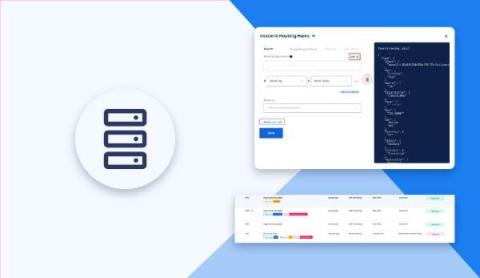
Boosting the transparency of your load balancer traffic is advantageous. Web applications continually pass information back and forth, yet some of this important data is often hard to get during transit. And while the perceived “black box” nature of networking seems overwhelming, what if you could peek behind the curtain to better understand your traffic?
In the ever-evolving world of software development and operations, DevOps has emerged as a game-changer. DevOps, short for Development and Operations, is a set of practices and principles that bridge the gap between these two traditionally siloed domains, fostering collaboration and accelerating the delivery of high-quality software. At the heart of DevOps lies automation, a powerful force that revolutionizes the way software is developed, tested, and deployed.
SharePoint Online (SPO) has become a linchpin in fostering collaborative work environments in the modern digital age. Its robust features provide a platform where individuals can share, manage, and collaborate on content seamlessly. As SharePoint Online continues to evolve, understanding its limits and boundaries is crucial for administrators to ensure optimal performance and user satisfaction.