Simplify Repo Management with Workspaces #shortsvideo #shorts
☀️☕️ Start your day the GitKraken way with Workspaces! Manage your projects effortlessly, no matter how many repos you juggle.


The latest News and Information on DevOps, CI/CD, Automation and related technologies.
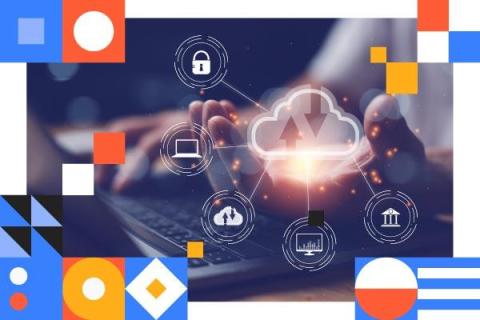
In the digital era, businesses face an intricate web of legal and regulatory requirements. Navigating these complexities is crucial for maintaining customer trust, protecting sensitive information, and avoiding legal repercussions. The adoption of cloud services like Microsoft Office 365 has transformed how businesses handle data, bringing both opportunities and challenges in compliance.
Over the past 5 years, the average server rack density increased from 5kW to 8-10kW, prompting temperature rises in the data center. These temperature increases can become a major issue if not handled properly. Maintaining the correct temperature is extremely important because nearly 30% of unplanned data center outages are caused by environment issues. Not monitoring and analyzing your environment can have a negative impact on energy and resource efficiency.