Operations | Monitoring | ITSM | DevOps | Cloud

The latest News and Information on DevOps, CI/CD, Automation and related technologies.

Using GRPC with Python Best Practices Guide

Microservices are now the architecture of choice for many developers when crafting cloud-native applications. A microservices application is a collection of loosely coupled services that communicate with each other, enhancing collaboration, maintainability, scalability, and deployment. There are several options for enabling this communication between microservices. When it comes to Python, gRPC and REST are two extremely popular directions to go.

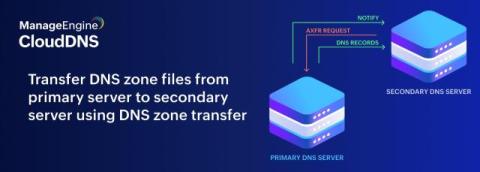
What is a DNS zone transfer? And how does it simplify transferring zone files from primary to secondary servers?

A DNS zone transfer is the process of transferring DNS records and zone files data from the primary server to the secondary server. This updates the secondary server with the current records and zone files so that it can act as a backup during failover scenarios. Zone transfer extends network services when the primary server fails by copying the primary server’s files to the secondary server.

Finout Pricing Breakdown: A Comprehensive Look At 2025 Costs

According to a recent PwC report, adopting FinOps best practices could reduce budget planning efforts by 40% by 2026. With 84% of companies struggling to manage cloud spending, FinOps is gaining traction. It helps organizations take control of cloud costs, improve financial efficiency, and drive smarter spending decisions. Finout is a FinOps platform that claims to reduce cloud costs by 30% over a year and a 50% time savings for engineers. If that is true, the next question is, how much does Finout cost?

Fiber Network Planning Pitfalls: What Your Access Vendors Aren't Telling You

When creating a fiber access network, it's important not to limit its possibilities. As network architectures have evolved, there are opportunities to unlock new revenue streams both now and throughout the operational lifespan of your network. In an increasingly competitive digital landscape, low latency has emerged as the critical differentiator between successful enterprises and those lagging. Join Ribbon as we discuss these top considerations and pitfalls.

Thoughts on Datadog's new Supply-Chain Firewall

Last month, Datadog announced an interesting and useful new feature they call the Supply-Chain Firewall (SCFW). It offers a real-time scanning approach that identifies vulnerabilities as developers pull packages from public registries like npmjs. It highlights the broader challenge organizations face when securing their software supply chain: managing risk consistently and efficiently at scale.