

Operations | Monitoring | ITSM | DevOps | Cloud

Sponsored Post

No SAP Expertise? No Problem. Automation Just Got Easier

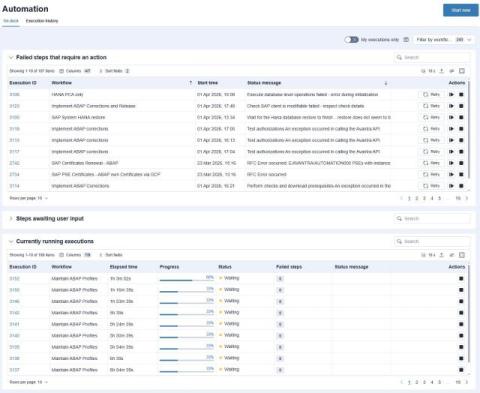
Avantra 21 introduced the concept of Automation workflows. By Avantra 23, compatibility with Ansible was added. Along the way, Avantra became the tool SAP teams reached for when they wanted system copies, refreshes, and backup orchestration to just run - predictably, on a schedule, without a senior engineer babysitting them. So, automation isn't new to Avantra users. Avantra made automation for SAP practical to deploy, predictable in operation, and easier to maintain.

Are You Audit-Ready? SecOps for SAP in the Age of Constant Change

Drift Happens. Six months ago, your SAP landscape passed audit cleanly. Today? You couldn’t say for certain without a manual scramble across Basis, security, and infrastructure teams to reconstruct what’s true right now. You did exactly that for the audit, after all. That gap between “was compliant” and “is compliant” is where most SAP security programs quietly fail.

SAP Cloud ERP in 2026: What's Included, What Isn't, and What It Means for Your Migration

Since our firm first published the Cloud ERP (then it was “RISE”) F.A.Q., a lot has changed with SAP, the market, and adoption trends. It’s worth a revisit: how Cloud ERP is packaged and sold by SAP has changed significantly, as has our guidance for customers adopting the solution. Perhaps the most notable change is the maturity of the Cloud ERP Private and Public solutions.

From Zero to Managed in Record Time

If you’ve spent any time in the SAP ecosystem, you know the “Configuration Tax.” It’s that invisible, compounding fee paid in hours, manual effort, and caffeine. SAP teams pay tax every time new systems or integrations are brought under observability and management. For years, the industry accepted that observability required a heavy initial lift.